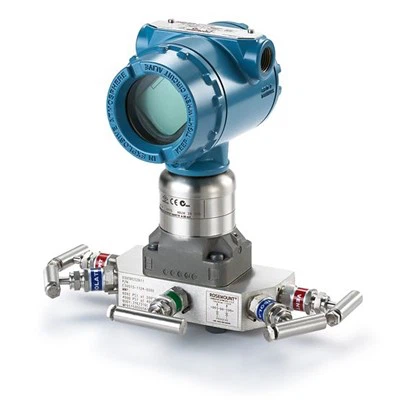
Calibrating a Yokogawa Temperature Transmitter is a crucial process that ensures accurate temperature measurements in various industrial applications. As a supplier of Yokogawa Temperature Transmitters, I understand the importance of proper calibration and its impact on the overall performance of the equipment. In this blog post, I will share some insights on how to calibrate a Yokogawa Temperature Transmitter effectively. Yokogawa Temperature Transmitter
Understanding the Basics of Temperature Transmitter Calibration
Before diving into the calibration process, it’s essential to understand the basic principles of temperature transmitter calibration. A temperature transmitter is a device that converts a temperature signal from a sensor (such as a thermocouple or RTD) into a standardized electrical signal (e.g., 4 – 20 mA). Calibration is the process of adjusting the transmitter to ensure that the output signal accurately corresponds to the input temperature.
The calibration process typically involves comparing the output of the transmitter with a known reference temperature source. This reference source can be a calibrated thermometer or a temperature bath with a known and stable temperature. By adjusting the transmitter’s internal settings, we can minimize the error between the measured temperature and the actual temperature.
Pre – calibration Preparations
1. Gather the Necessary Tools
To calibrate a Yokogawa Temperature Transmitter, you will need the following tools:
- A calibrated reference thermometer or a temperature bath with a known temperature. The accuracy of the reference source should be higher than the desired accuracy of the transmitter.
- A multimeter or a data acquisition system to measure the output signal of the transmitter. Make sure the multimeter has sufficient accuracy for the measurement.
- A screwdriver or other tools required to access the transmitter’s calibration potentiometers or configuration settings.
2. Check the Transmitter’s Installation
Ensure that the temperature transmitter is properly installed and connected. Check the sensor connections to make sure there are no loose wires or damaged cables. Also, verify that the transmitter is installed in an appropriate environment, free from excessive vibration, electromagnetic interference, and extreme temperatures that could affect its performance.
3. Review the Transmitter’s Manual
Familiarize yourself with the specific calibration procedures outlined in the Yokogawa Temperature Transmitter’s manual. Different models may have slightly different calibration methods and settings. Make sure you understand the technical specifications and requirements for your particular transmitter.
Calibration Steps
1. Zero Calibration
The first step in the calibration process is zero calibration. This involves setting the output of the transmitter to the lower end of the measurement range when the input temperature is at the lower limit of the range.
- Set the reference temperature source to the lower limit of the temperature range for the transmitter. For example, if the transmitter is calibrated for a range of 0 – 100°C, set the reference temperature to 0°C.
- Connect the multimeter to the output terminals of the transmitter and measure the output signal. The output should be 4 mA for a 4 – 20 mA transmitter at the lower limit of the range.
- If the output is not 4 mA, use the zero adjustment potentiometer on the transmitter to adjust the output until it reaches 4 mA. This potentiometer is usually labeled "Zero" or "Z".
2. Span Calibration
The next step is span calibration. This involves setting the output of the transmitter to the upper end of the measurement range when the input temperature is at the upper limit of the range.
- Set the reference temperature source to the upper limit of the temperature range for the transmitter. For the 0 – 100°C example, set the reference temperature to 100°C.
- Measure the output signal of the transmitter using the multimeter. The output should be 20 mA for a 4 – 20 mA transmitter at the upper limit of the range.
- If the output is not 20 mA, use the span adjustment potentiometer on the transmitter to adjust the output until it reaches 20 mA. This potentiometer is usually labeled "Span" or "S".
3. Intermediate Point Calibration
After zero and span calibration, it’s a good practice to check the accuracy of the transmitter at intermediate points within the measurement range.
- Select one or more intermediate temperatures within the range. For example, you can choose 50°C for the 0 – 100°C range.
- Set the reference temperature source to the selected intermediate temperature.
- Measure the output signal of the transmitter and compare it with the expected value. For a linear 4 – 20 mA transmitter, the output at 50°C should be 12 mA.
- If there is a significant error at the intermediate point, you may need to repeat the zero and span calibration steps or adjust the transmitter’s linearity settings if available.
4. Verification and Documentation
Once the calibration is complete, verify the accuracy of the transmitter by measuring the output at several points within the measurement range. Record the measured values and compare them with the expected values. If the errors are within the acceptable tolerance, the calibration is successful.
Document the calibration process, including the date, time, reference temperature values, measured output values, and any adjustments made. This documentation is important for quality control and traceability purposes.
Troubleshooting during Calibration
1. Inconsistent Output
If the output of the transmitter is inconsistent or fluctuates during calibration, check the following:
- The stability of the reference temperature source. Make sure the temperature is stable and not changing rapidly.
- The electrical connections of the transmitter and the sensor. Loose or damaged connections can cause signal fluctuations.
- The presence of electromagnetic interference. Move the transmitter away from sources of interference such as motors or power cables.
2. Incorrect Output Values
If the output values are consistently incorrect even after calibration, the transmitter may be damaged or malfunctioning. Check the following:
- The sensor. A faulty sensor can cause incorrect temperature readings. Replace the sensor if necessary.
- The internal components of the transmitter. If the problem persists, it may be a hardware issue. Contact Yokogawa technical support for further assistance.
Importance of Regular Calibration
Regular calibration of Yokogawa Temperature Transmitters is essential for maintaining accurate temperature measurements. Over time, factors such as environmental conditions, component aging, and mechanical stress can cause the transmitter’s performance to drift. By calibrating the transmitter at regular intervals, you can ensure that it continues to provide reliable and accurate temperature data.
The frequency of calibration depends on several factors, including the application, the environment, and the required accuracy. In general, it is recommended to calibrate temperature transmitters at least once a year or more frequently in harsh environments or critical applications.
Conclusion
Calibrating a Yokogawa Temperature Transmitter is a relatively straightforward process if you follow the proper procedures and use the right tools. By ensuring accurate calibration, you can improve the performance of your temperature measurement system and avoid costly errors in your industrial processes.
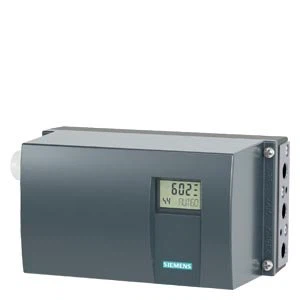
Rosemount Level Transmitter If you are in need of Yokogawa Temperature Transmitters or have any questions about calibration or product selection, I encourage you to reach out to us. Our team of experts is ready to assist you with your needs and provide you with the best solutions for your temperature measurement applications.
References
- Yokogawa Temperature Transmitter User Manuals
- Industrial Temperature Measurement and Control Standards
Iges Instrument Co., Ltd.
With abundant experience, we are one of the most professional yokogawa temperature transmitter suppliers in China. Please feel free to buy high quality yokogawa temperature transmitter in stock here and get quotation from our factory. Good service and low price are available.
Address: No. 103, 1st Floor, Dacheng Commercial Building, Chezhan Avenue, Lucheng District, Wenzhou City
E-mail: igesinst@gmail.com
WebSite: https://www.iges-inst.com/
