Hey there! I’m a supplier of Bopp Fertilizer Bags. You might be wondering, "What the heck is the adhesion of the printing on Bopp Fertilizer Bags?" Well, stick around, and I’ll break it down for you. Bopp Fertilizer Bags
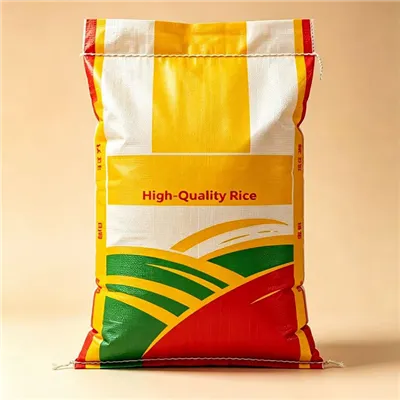
First off, let’s talk a bit about Bopp Fertilizer Bags. BOPP stands for Biaxially Oriented Polypropylene. It’s a type of plastic film that’s widely used in making fertilizer bags because it’s strong, has good moisture resistance, and is relatively cheap. And when it comes to fertilizer bags, we need something that can withstand the elements and keep the product inside safe.
Now, the adhesion of the printing on these bags is super important. Adhesion, in simple terms, is how well the ink sticks to the surface of the bag. If the adhesion is poor, the printing can start to peel off, fade, or smudge. And that’s a big no – no, especially when you’re trying to promote your brand or provide important information about the fertilizer on the bag.
There are a few factors that can affect the adhesion of the printing on Bopp Fertilizer Bags.
Surface Treatment
The surface of the BOPP film isn’t always ready to accept ink right out of the box. It often needs to be treated first. One common method is corona treatment. This involves exposing the surface of the BOPP film to a high – energy electrical discharge. The corona treatment changes the surface chemistry of the film, making it more receptive to ink. It increases the surface energy of the film, which allows the ink to spread out and bond better.
Think of it like trying to glue something to a greasy surface. The glue won’t stick well. But if you clean the surface first, the glue will adhere much better. That’s what corona treatment does for the BOPP film and the ink.
However, the effectiveness of corona treatment can decline over time. If the treated film sits around for too long before printing, the surface energy can start to drop, and the adhesion of the ink may suffer. So, as a supplier, we need to make sure that the printing process happens soon after the corona treatment.
Ink Selection
The type of ink you use also plays a huge role in adhesion. Different inks have different properties, and some are better suited for BOPP films than others. For example, solvent – based inks are often used because they can provide good adhesion. The solvents in these inks can slightly dissolve the surface of the BOPP film, creating a mechanical bond between the ink and the film.
But solvent – based inks also have some drawbacks. They can be harmful to the environment and may require special ventilation systems during the printing process. That’s why many suppliers, including me, are starting to look into water – based inks. Water – based inks are more eco – friendly, but getting the same level of adhesion as solvent – based inks can be a challenge. We have to make sure that the water – based inks are formulated correctly and that the BOPP film is properly treated.
Printing Conditions
The conditions under which the printing takes place are crucial. Temperature and humidity can have a big impact on adhesion. If the temperature is too low, the ink may not dry properly, and it won’t adhere well. On the other hand, if the temperature is too high, the ink can dry too quickly, and it may not have enough time to bond with the film.
Humidity is also important. High humidity can cause the ink to absorb moisture, which can affect its adhesion properties. So, we need to control the printing environment carefully. In our factory, we have systems in place to monitor and adjust the temperature and humidity to ensure the best possible adhesion.
Quality Control
As a supplier, quality control is a top priority for me. We have a whole bunch of tests that we run to check the adhesion of the printing on our Bopp Fertilizer Bags. One common test is the tape test. We simply stick a piece of tape on the printed area and then pull it off quickly. If a large amount of ink comes off with the tape, the adhesion is poor.
We also do abrasion tests. We rub the printed surface with a piece of fabric or a special abrasive material to see if the ink starts to wear off. These tests help us identify any issues early on and make the necessary adjustments to our processes.
So, why does all this matter to you as a buyer? Well, if you’re in the fertilizer business, you want your bags to look good and last. Good adhesion means that your brand logo, product information, and other details on the bag will stay clear and intact for a long time. This helps in brand recognition and gives your customers confidence in your product.
If you’re looking for high – quality Bopp Fertilizer Bags with excellent printing adhesion, look no further. I’ve been in this business for a while, and I know how to ensure that the printing on our bags adheres like a charm. Whether you need small – scale orders or large – volume production, we can handle it.
We use the latest technology and best practices to treat the BOPP film, select the right ink, and control the printing conditions. Our quality control team is always on top of things, making sure that every bag meets our high standards.
If you’re interested in discussing your requirements or getting a quote, feel free to reach out. We’re more than happy to have a chat and see how we can meet your needs.
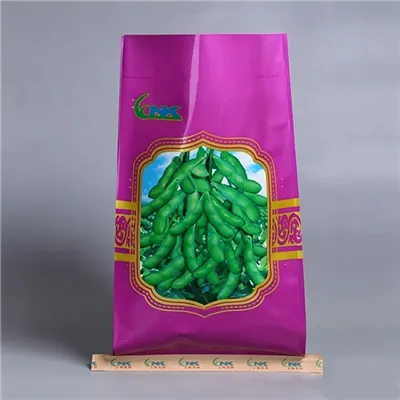
Contact us if you’re ready to take your fertilizer packaging to the next level with our top – notch Bopp Fertilizer Bags!
Poly Bag Agriculture References:
- "Plastic Packaging Technology" by J. H. Guise
- "Printing on Plastic Films: Principles and Practice" by various industry experts
Liaoning Xunlian Packaging Products Co., Ltd.
Liaoning Xunlian Packaging Products Co., Ltd. is one of the most professional bopp fertilizer bags manufacturers and suppliers in China, featured by quality products and good service. Welcome to wholesale CE approved bopp fertilizer bags made in China here and get quotation from our factory. Customized orders are welcome.
Address: Chaoyang Industrial Park, Kangping, Shenyang, Liaoning, China.
E-mail: info@xunlianpack.com
WebSite: https://www.xunlianpack.com/
