Do karate uniforms have a specific style for different karate styles? Karate Uniforms

As a supplier of karate uniforms, I’ve had the privilege of delving deep into the world of karate and its associated apparel. One of the most frequently asked questions I encounter is whether karate uniforms have specific styles tailored to different karate styles. The answer is a resounding yes, and in this blog, I’ll explore the nuances of these distinctions.
Karate, a martial art with a rich history and diverse lineage, encompasses various styles, each with its own unique philosophy, techniques, and even uniform preferences. The traditional karate uniform, known as a gi, consists of a jacket (uwagi), trousers (zubon), and a belt (obi). While the basic structure remains consistent across styles, there are notable variations in design, fabric, and detail.
Let’s start by examining some of the major karate styles and their corresponding uniform characteristics.
Shotokan Karate, one of the most widely practiced styles globally, is known for its powerful, linear movements and strict discipline. Shotokan uniforms typically feature a more traditional and conservative design. The jacket is often made of a heavy – weight cotton fabric, which provides durability and a sense of substance. The sleeves are usually wide and straight, allowing for full range of motion during strikes and blocks. The trousers are also relatively loose, enabling fluid leg movements. Shotokan practitioners often favor a simple color scheme, with white being the most common, symbolizing purity and the beginner’s state of mind. A black belt indicates a high level of proficiency, and the thickness and quality of the belt can also vary depending on the rank of the wearer.
Goju – Ryu Karate, on the other hand, emphasizes circular movements, breathing techniques, and close – range combat. Goju – Ryu uniforms may have some distinct features. The fabric used can be slightly lighter compared to Shotokan, as the style involves a lot of dynamic and fluid movements that may require more flexibility. The jacket may have a more tapered waist to allow for better control during techniques such as hip rotations. The sleeves can be a bit shorter and more fitted, enabling quick hand movements and better control of grappling techniques, which are more prevalent in Goju – Ryu.
Wado – Ryu Karate combines elements of traditional karate with Jujitsu and Aikido. Wado – Ryu uniforms often reflect this blend of styles. The design is often more streamlined and modern. The fabric may be a medium – weight cotton or a blend that offers both comfort and durability. The jacket may have a more ergonomic cut, with curved seams to follow the natural shape of the body. This design allows for smooth and effortless movement, which is characteristic of Wado – Ryu’s emphasis on fluidity and evasion.
Kyokushin Karate, a full – contact style known for its tough and aggressive nature, has its own unique uniform style. Kyokushin practitioners often wear a heavy – duty gi. The fabric is thick and strong to withstand the rigors of intense sparring and training. The jacket is usually reinforced at the shoulders and elbows, areas that are prone to impact during strikes and falls. The trousers are also sturdy, with a wide waistband for a secure fit. Kyokushin uniforms are often white, but some practitioners may choose to wear black or other colors for a more distinctive look.
In addition to these well – known styles, there are many other regional and modern karate styles, each with their own preferences for uniform design. For example, some traditional Okinawan karate styles have their roots in ancient martial arts and may have uniforms with more traditional Okinawan patterns or embroidery. These details not only add a touch of cultural heritage but also distinguish the style from others.
The choice of fabric is also an important factor in the design of karate uniforms for different styles. As mentioned earlier, heavy – weight cotton is common for styles that require durability, such as Shotokan and Kyokushin. However, some modern styles may opt for more breathable and lightweight fabrics, such as synthetic blends or moisture – wicking materials. These fabrics are ideal for fast – paced training and warm climates, as they help keep the practitioner cool and dry.
The color of the uniform also holds significance in different karate cultures. While white is the most common color and symbolizes a beginner’s purity and humility, some styles may use colored uniforms to denote rank or affiliation. For example, in some schools, lower – ranked students may wear white uniforms, while higher – ranked instructors or masters may wear black or other dark – colored uniforms.
The belt system is another crucial aspect of the karate uniform. Different karate styles may have variations in the way belts are tied and the colors used to represent different ranks. In general, white belts are for beginners, and as a practitioner progresses through the ranks, they may earn belts of different colors, such as yellow, orange, green, blue, purple, brown, and finally black. However, the specific order and meaning of these colors can vary from style to style.
As a karate uniform supplier, I understand the importance of providing high – quality uniforms that meet the specific needs of different karate styles. We work closely with karate schools, instructors, and practitioners to ensure that our uniforms are not only functional but also aesthetically pleasing. We offer a wide range of fabrics, colors, and sizes to accommodate the diverse requirements of the karate community.
Whether you’re a beginner just starting your karate journey or a seasoned instructor looking for the perfect uniform for your students, we have the expertise and resources to meet your needs. Our team of designers and tailors are passionate about karate and take pride in creating uniforms that are both comfortable and stylish.
We offer customization options, allowing you to add your school’s logo, name, or other personalized details to the uniform. This not only adds a sense of unity and identity to your karate community but also makes the uniform unique and special.
If you’re interested in learning more about our karate uniform offerings or would like to discuss your specific requirements, we encourage you to reach out to us. We’re happy to provide you with samples, pricing information, and any other details you may need. We believe that a well – fitting and high – quality karate uniform is an essential part of the karate experience, and we’re committed to helping you find the perfect one for your style and needs.
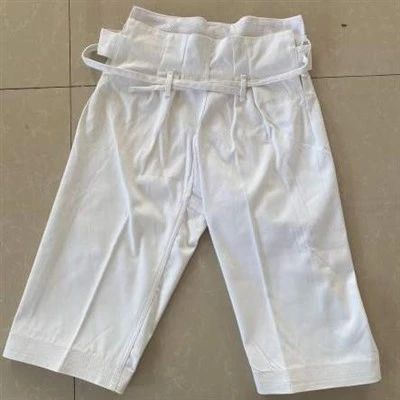
Contact us today to start the conversation about your karate uniform purchase. Let’s work together to ensure that you and your fellow karate practitioners look and feel your best on the mats.
Jiu Jitsu Gis References
- "The Encyclopedia of Karate" by Donn F. Draeger.
- "Karate – The Art of Empty – Handed Fighting" by Masutatsu Oyama.
- "Karate Do Kyohan" by Gichin Funakoshi.
Qingdao Chido Sports Products Co., Ltd.
As one of the most experienced karate uniforms manufacturers in China, we’re featured by quality products and good price. We warmly welcome you to wholesale bulk cheap karate uniforms made in China here from our factory. Contact us for custom service and free sample.
Address: 360 Minxin Street, Qingdao, Shandong, China
E-mail: info@636med.com
WebSite: https://www.chidosports.com/
