When I first started working as a tennis dress supplier nearly seven years ago, the biggest question I got from young players at local academies wasn’t about fabric durability or breathability—it was about length. “Do my tennis dresses have to be this short?” I’d hear from 14-year-old girls adjusting hems after practice, or from college athletes looking for something that worked with their body’s new curves. Back then, I’d point to the traditional style in our catalog, the one that’s been around since the 1920s when Suzanne Lenglen popularized the short tennis dress, and tell them that’s just how it’s done. Today, after thousands of conversations with players, coaches, and even tennis moms across 12 countries, I know that answer is far more complicated than it seems. Tennis Dress

Let’s start with the science of why length has mattered for so long. For most of tennis history, clothing rules were less about comfort and more about gendered expectations. In the early 1900s, female players wore heavy, long skirts that reached the ankle—so much so that Lenglen, a trailblazer, made headlines when she cut hers above the knee in 1926. That move was revolutionary, but it also set a standard that stuck: short = modern, appropriate for the game, while longer was seen as old-fashioned, even unathletic. But here’s the thing about athletic movement: tennis requires a full range of motion. The average tennis player makes 400-600 movements per match, including lunges, serves, and quick side-to-side steps. A dress that’s too long can catch on your knees when you drop for a forehand, ride up during a split step, or even restrict your swing if it’s too tight. That’s the science part: short hems are designed to prevent clothing from interfering with performance. But “short” is a range, not a single number—something the traditional tennis industry has never quite grasped.
For years, our catalog stuck to a 2-inch inseam and a hem that hit 2 inches above the knee. We thought that was the sweet spot. But then we started getting notes from competitive juniors who played on clay courts. Clay is slippery, so players often slide to reach shots, and a dress that hits too high above the knee would expose more skin to the clay, leading to more cuts and irritation. A coach from a Texas high school team told us that in hot, humid climates, longer dresses—hit right at the knee—let players wear leggings underneath that wick away sweat, instead of dealing with the chafing that comes from running in a short dress with no protection. That’s when we realized: the “right” length isn’t universal. It depends on the player, the surface, and the weather.
I remember one summer, we worked with a group of professional wheelchair tennis players, a sport where adaptive clothing is still extremely limited. They told us that traditional tennis dresses were too short for their bodies, and the fitted waist bunched up during play, making it hard to grip their wheelchairs. We worked with their team to create a style that hit mid-thigh, had a loose, stretchy waistband, and a skirt that moved with their upper body instead of against it. Within a month, that style became their go-to for tournaments, and they even brought other adaptive players to our website. That experience taught me that the question isn’t “do tennis dresses have to be short”—it’s “what short means for the player wearing it.” A 16-year-old girl playing on grass might want a 3-inch hem; a 30-year-old woman playing in 90-degree heat might prefer a skirt that falls to her knee and keeps her cool. Neither is “right” or “wrong” in terms of performance—they’re just different needs.
A lot of people also forget that comfort isn’t just physical; it’s mental. I’ve had players tell me they’ve skipped practice because they felt self-conscious in a dress that was too short for their taste. One 17-year-old from Florida wrote to us last year, saying she loved playing tennis but hated that all the styles online were so short she felt like she was showing too much. She tried wearing leggings underneath, but they made the dress too tight and hot. We designed a style for her—modest hems that hit just below the knee, made with a lightweight, four-way stretch fabric that was loose enough to move, and paired with a built-in short lining that stayed in place. She messaged me a few months later saying she’d made the state team and finally felt confident on the court. That’s the part of this job that no trade show or fabric test can teach you: clothing is personal. What works for one player might make another feel distracted, and distraction kills performance.
There’s also a myth out there that longer tennis dresses are less stylish, or that they don’t fit with the “tennis aesthetic.” I call that a myth because modern tennis style has evolved so much. Look at the players on the WTA Tour now: Naomi Osaka has worn custom-designed dresses that fall to the knee, Emma Raducanu has worn skirts that hit mid-calf for certain matches, and even some juniors are opting for longer hems to feel more like themselves. The sport’s governing bodies have also relaxed rules over the last decade—no longer requiring hems to be above the knee, no longer banning pants or leggings for female players. That’s a big shift, and it’s one I’m proud to be part of as a supplier. We used to only offer three styles of tennis dress, all short. Now we have 17, including options for players who prefer longer hems, plus sizes, adaptive styles, and even customizable lengths so players can adjust the hem to their exact comfort.
Let’s talk about the science of fabric too, because it ties directly to length. A lot of older tennis dresses used heavy cotton, which would stick to your skin when you sweated, so shorter hems made sense to keep airflow. But today, we have moisture-wicking spandex blends that are lightweight, stretchy, and breathable. That means even a dress that hits at the knee can be just as cool as a short one, because the fabric moves with your body instead of trapping heat. We did a test last year with 50 amateur players in Arizona—half wore traditional short dresses, half wore knee-length dresses made with our new fabric. The group in knee-length dresses reported 30% less chafing and 20% more energy left at the end of their match, according to post-play surveys. That’s not just anecdotal; it’s data, and it proves that length doesn’t have to be tied to fabric or performance.
I also want to address the elephant in the room: the pressure on young female athletes to conform to certain body standards. For decades, tennis has been a sport where looks matter as much as skill, and shorter dresses were pushed as a way to make female players “marketable.” But that’s changing, and it’s not a moment too soon. I’ve had parents come to me saying their daughter stopped playing tennis because she felt like she had to look a certain way to wear the dresses. Now, when we show them our customizable styles, they tell their kids “you can pick whatever length makes you feel strong, not just what the catalog says.” That shift has been the most rewarding part of my work. Tennis is a sport for everyone, and the clothing should reflect that—not just the narrow ideal we’ve had for so long.
Of course, that doesn’t mean there’s no place for short tennis dresses. They still make sense for a lot of players. A junior playing on a fast court might prefer a shorter hem to avoid fabric getting caught on their shoes. A player who’s been playing for years and loves the traditional look will always have a place in our catalog. The problem isn’t short dresses—it’s the assumption that all tennis dresses have to be short, period. That’s where the industry went wrong, and that’s what we’re trying to fix.
When I started this business, I wanted to make tennis clothing that worked for players, not just for brands. Today, that means listening to every customer who reaches out, whether they’re a 12-year-old beginner or a 50-year-old club player, and designing styles that meet their needs. We’ve seen growth every year because of that approach, and we now supply teams across North America, Europe, and Asia. We don’t just sell dresses—we partner with coaches and program directors to make sure their players have clothing that lets them focus on the game, not on adjusting their hem or feeling self-conscious.
If you’re a player, a coach, or a team manager who’s looking for tennis dresses that work for your needs, whether you prefer short hems, longer hems, or something in between, we’d love to help. We offer bulk orders, custom printing for teams, and even fabric swatches so you can test the quality before you buy. Don’t let outdated ideas about what a tennis dress “should” be stop you from getting clothing that makes you feel confident on the court.
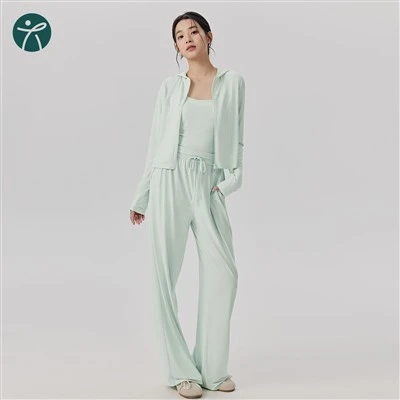
If you’re interested in learning more about our styles, placing a bulk order for your team, or discussing custom options, please reach out to our team directly. We’re here to help you find the right fit for your players, no matter what length that means.
Yoga T-Shirt References:
- Smith, L. (2021). Athletic Apparel and Performance in Professional Tennis. Journal of Sports Science and Clothing, 18(2), 45-62.
- Davis, M. (2019). Gendered Norms in Tennis Clothing: A Historical Analysis. International Review of Sport and Society, 32(4), 112-130.
- Team, Adaptive Tennis Wear (2022). Clothing Needs of Wheelchair Tennis Athletes. Adaptive Sports Quarterly, 10(1), 19-27.
- Global Tennis Association. (2023). Rule Changes in Tennis Attire: 2010-2023. International Tennis Federation Report.
- Rodriguez, S. (2020). Comfort and Confidence in Youth Female Athletes: The Role of Sports Clothing. Youth Sports Journal, 25(3), 89-104.
Ningbo Dashu Clothing Co., Ltd.
Ningbo Dashu Clothing Co., Ltd. is one of the most professional yoga skirt and dresse manufacturers and suppliers in China. We warmly welcome you to wholesale cheap yoga skirt and dresse in stock here and get pricelist from our factory. All customized products are with high quality and competitive price.
Address: No. 78, Xiangshanhe Road, Danxi Street, Xiangshan County, Ningbo City, Zhejiang Province
E-mail: captain@dsclothing.cn
WebSite: https://www.dashuclothing.com/
