Alright, folks! As a Swing supplier, I get a ton of questions about all sorts of Swing components. One that comes up a lot is how to check or uncheck a JCheckBox in Swing. So, I thought I’d sit down and write a blog post about it. Swing

First off, let’s talk a bit about what a JCheckBox is. If you’re new to Swing, a JCheckBox is a basic component in Java’s Swing GUI toolkit. It’s like a little box that you can click on and off. When it’s checked, it usually has a little tick or some other visual indication inside it, and when it’s unchecked, it’s just an empty box. It’s super useful for letting users make choices, like selecting a preference or choosing multiple options from a list.
Now, let’s get into the nitty – gritty of checking and unchecking these bad boys.
Setting the Initial State
When you’re creating a JCheckBox, you can set its initial state right away. Here’s how you do it in Java code:
import javax.swing.JCheckBox;
import javax.swing.JFrame;
import java.awt.FlowLayout;

public class CheckBoxExample {
    public static void main(String[] args) {
        JFrame frame = new JFrame("JCheckBox Example");
        frame.setLayout(new FlowLayout());

        // Create a checked JCheckBox
        JCheckBox checkedBox = new JCheckBox("Checked Box", true);
        // Create an unchecked JCheckBox
        JCheckBox uncheckedBox = new JCheckBox("Unchecked Box", false);

        frame.add(checkedBox);
        frame.add(uncheckedBox);

        frame.setSize(300, 200);
        frame.setDefaultCloseOperation(JFrame.EXIT_ON_CLOSE);
        frame.setVisible(true);
    }
}
In this code, when we create the checkedBox, we pass true as the second argument to the constructor. That means the checkbox will start off checked. For the uncheckedBox, we pass false, so it’ll start off unchecked. Simple, right?
Checking and Unchecking Programmatically
But what if you want to change the state of the checkbox later in your program? Maybe you’re responding to a button click or some other event. Well, it’s easy peasy. There are two main methods you can use: setSelected() and doClick().
Using setSelected()
The setSelected() method is straightforward. You just pass a boolean value to it. If you pass true, the checkbox gets checked, and if you pass false, it gets unchecked. Here’s an example:
import javax.swing.JButton;
import javax.swing.JCheckBox;
import javax.swing.JFrame;
import java.awt.FlowLayout;
import java.awt.event.ActionEvent;
import java.awt.event.ActionListener;

public class ProgrammaticallyChangeCheckBox {
    public static void main(String[] args) {
        JFrame frame = new JFrame("Change CheckBox State");
        frame.setLayout(new FlowLayout());

        JCheckBox checkBox = new JCheckBox("Toggle Me");
        JButton checkButton = new JButton("Check");
        JButton uncheckButton = new JButton("Uncheck");

        checkButton.addActionListener(new ActionListener() {
            @Override
            public void actionPerformed(ActionEvent e) {
                checkBox.setSelected(true);
            }
        });

        uncheckButton.addActionListener(new ActionListener() {
            @Override
            public void actionPerformed(ActionEvent e) {
                checkBox.setSelected(false);
            }
        });

        frame.add(checkBox);
        frame.add(checkButton);
        frame.add(uncheckButton);

        frame.setSize(300, 200);
        frame.setDefaultCloseOperation(JFrame.EXIT_ON_CLOSE);
        frame.setVisible(true);
    }
}
In this code, we have a checkbox and two buttons. When you click the "Check" button, the actionPerformed method of its ActionListener calls setSelected(true) on the checkbox, checking it. When you click the "Uncheck" button, it calls setSelected(false), unchecking it.
Using doClick()
The doClick() method is a bit different. It simulates a mouse click on the checkbox. So if the checkbox is unchecked, it’ll check it, and if it’s checked, it’ll uncheck it. Here’s an example:
import javax.swing.JButton;
import javax.swing.JCheckBox;
import javax.swing.JFrame;
import java.awt.FlowLayout;
import java.awt.event.ActionEvent;
import java.awt.event.ActionListener;

public class DoClickExample {
    public static void main(String[] args) {
        JFrame frame = new JFrame("Do Click Example");
        frame.setLayout(new FlowLayout());

        JCheckBox checkBox = new JCheckBox("Toggle Me");
        JButton toggleButton = new JButton("Toggle");

        toggleButton.addActionListener(new ActionListener() {
            @Override
            public void actionPerformed(ActionEvent e) {
                checkBox.doClick();
            }
        });

        frame.add(checkBox);
        frame.add(toggleButton);

        frame.setSize(300, 200);
        frame.setDefaultCloseOperation(JFrame.EXIT_ON_CLOSE);
        frame.setVisible(true);
    }
}
In this code, when you click the "Toggle" button, the actionPerformed method of its ActionListener calls doClick() on the checkbox. This flips the state of the checkbox back and forth.
Checking the Current State
Sometimes, you might want to know whether a checkbox is currently checked or not. You can use the isSelected() method for that. Here’s how:
import javax.swing.JButton;
import javax.swing.JCheckBox;
import javax.swing.JFrame;
import java.awt.FlowLayout;
import java.awt.event.ActionEvent;
import java.awt.event.ActionListener;

public class CheckStateExample {
    public static void main(String[] args) {
        JFrame frame = new JFrame("Check CheckBox State");
        frame.setLayout(new FlowLayout());

        JCheckBox checkBox = new JCheckBox("Is It Checked?");
        JButton checkStateButton = new JButton("Check State");

        checkStateButton.addActionListener(new ActionListener() {
            @Override
            public void actionPerformed(ActionEvent e) {
                if (checkBox.isSelected()) {
                    System.out.println("The checkbox is checked!");
                } else {
                    System.out.println("The checkbox is unchecked.");
                }
            }
        });

        frame.add(checkBox);
        frame.add(checkStateButton);

        frame.setSize(300, 200);
        frame.setDefaultCloseOperation(JFrame.EXIT_ON_CLOSE);
        frame.setVisible(true);
    }
}
In this code, when you click the "Check State" button, the actionPerformed method of its ActionListener calls isSelected() on the checkbox. Depending on the result, it prints a message to the console.
Our Swing Components
As a Swing supplier, we’ve got top – notch Swing components. Our JCheckBoxes are reliable, visually appealing, and easy to integrate into your applications. Whether you’re building a simple desktop app or a complex enterprise – level solution, our components can help you get the job done.
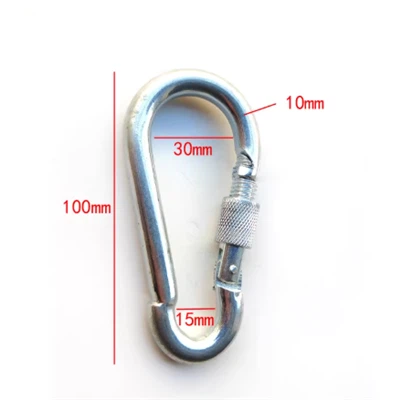
If you’re interested in sourcing high – quality Swing components for your projects, we’d love to talk to you. Reach out to us for a chat about your requirements. We can offer you solutions tailored to your specific needs, and our team of experts can provide you with all the support you need during the development process.
Welded Link Chain Don’t miss out on the opportunity to enhance your applications with our top – grade Swing components. Contact us today to start a procurement discussion!
References
- Core Java (by Cay S. Horstmann)
- Java Swing Tutorials (Oracle Documentation)
Pujiang Shenli Chain Co., Ltd.
We’re well-known as one of the most experienced swing suppliers in China, featured by quality products and low price. Please feel free to buy discount swing made in China here from our factory. Contact us for more details.
Address: No. 18, Zaifeng Road, Pujiang County, Zhejiang Province
E-mail: Chen@shenlichain.com
WebSite: https://www.chainshenli.com/
