In the dynamic landscape of modern electronics, cable assemblies play a pivotal yet often overlooked role in the seamless transmission of signals. As a seasoned professional in the industry as a supplier of Cable Assemblies & Accessories, I’ve witnessed firsthand how these unassuming components can make or break the performance of a wide range of electronic devices. In this blog, we’ll delve into the intricate ways cable assemblies impact signal transmission, exploring the key factors at play and the importance of choosing the right solutions for your specific needs. Cable Assemblies & Accessories
The Basics of Signal Transmission
Before we dive into the impact of cable assemblies, let’s briefly review the fundamentals of signal transmission. In essence, a signal is an electrical or electromagnetic impulse that carries information from one point to another. This can range from simple binary data, such as the ones and zeros that form the basis of digital communication, to complex analog signals like audio and video.
The integrity of a signal is crucial for accurate data transfer and reliable device operation. When a signal travels through a cable assembly, it can be affected by various factors, including the cable’s physical properties, the environment in which it operates, and the quality of the connectors used.
Key Factors Affecting Signal Transmission
Cable Material and Construction
The choice of cable material and construction is perhaps the most significant factor influencing signal transmission. Different materials have varying electrical properties, such as conductivity, capacitance, and inductance, which can either enhance or degrade signal quality.
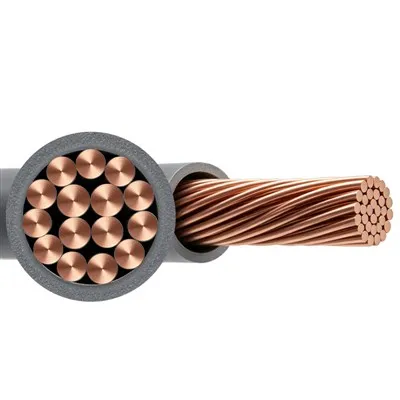
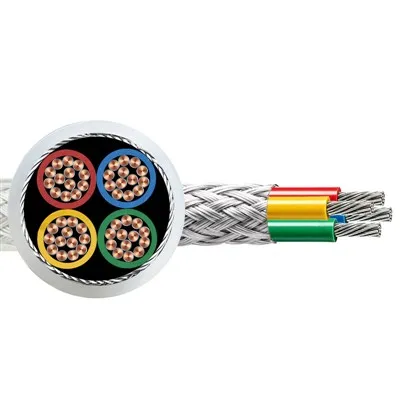
Copper is the most commonly used material for cable assemblies due to its excellent conductivity and relatively low cost. However, the quality of the copper can vary significantly, with higher-grade copper offering better performance and less signal loss. Additionally, the way the copper is insulated and shielded can also impact signal integrity. For example, a cable with a thicker insulation layer or a better shielding design can reduce electromagnetic interference (EMI) and crosstalk, which are common sources of signal degradation.
Cable Length and Routing
The length of a cable assembly can have a substantial impact on signal transmission. As a signal travels through a cable, it experiences attenuation, which is the gradual loss of signal strength over distance. This loss is primarily due to the resistance of the cable material and the capacitive and inductive effects of the cable’s construction.
To compensate for attenuation, signal amplifiers or repeaters may be used at regular intervals to boost the signal strength. However, these components can add complexity and cost to the system. Therefore, it’s generally recommended to keep cable lengths as short as possible to minimize signal loss.
In addition to length, the routing of the cable can also affect signal transmission. Cables should be routed away from sources of electromagnetic interference, such as motors, transformers, and power lines. Sharp bends or kinks in the cable can also cause signal distortion, so it’s important to ensure that the cable is installed with proper slack and curvature.
Connector Quality and Compatibility
Connectors are the interface between the cable assembly and the electronic devices it connects to. The quality of the connectors can have a significant impact on signal transmission, as poor-quality connectors can introduce signal loss, impedance mismatches, and intermittent connections.
When choosing connectors, it’s important to consider factors such as contact resistance, durability, and compatibility with the cable and the device. High-quality connectors are typically made from materials with low contact resistance, such as gold or silver-plated copper, to ensure reliable signal transfer. Additionally, the connectors should be designed to fit securely and snugly onto the cable and the device to prevent signal leakage and interference.
Environmental Conditions
The environment in which the cable assembly operates can also affect signal transmission. Temperature, humidity, and exposure to chemicals or other contaminants can all degrade the performance of the cable and its connectors over time.
For example, high temperatures can cause the insulation material to expand and contract, leading to increased signal loss and reduced reliability. Similarly, humidity can cause corrosion and oxidation of the cable and connector contacts, which can also affect signal quality. In harsh environments, it’s important to choose cable assemblies and connectors that are designed to withstand these conditions, such as those with ruggedized construction or special coatings.
The Impact on Different Types of Signals
The factors discussed above can have different impacts on different types of signals. Let’s take a closer look at how cable assemblies affect the transmission of digital, analog, and high-speed data signals.
Digital Signals
Digital signals are composed of discrete values, typically represented as binary digits (zeros and ones). These signals are used in a wide range of applications, including computers, telecommunications, and control systems.
One of the key challenges in transmitting digital signals is maintaining the integrity of the binary values. Any signal degradation, such as noise or interference, can cause the receiver to misinterpret the signal and produce errors. To minimize this risk, cable assemblies for digital signals are often designed with features such as high-speed data rates, low signal loss, and good impedance matching.
Analog Signals
Analog signals are continuous waveforms that represent real-world phenomena, such as sound, light, or temperature. These signals are used in applications such as audio and video systems, sensors, and instrumentation.
Unlike digital signals, analog signals are more susceptible to signal degradation, as any distortion or noise in the signal can directly affect the accuracy of the information being transmitted. Cable assemblies for analog signals are therefore designed to minimize signal loss, distortion, and interference, often using techniques such as shielding and balanced transmission.
High-Speed Data Signals
High-speed data signals, such as those used in Ethernet, USB, and HDMI connections, require cable assemblies that can support very high data rates and low latency. These signals are typically transmitted using differential signaling, which involves sending two complementary signals that are then compared at the receiver to determine the original data.
To ensure reliable transmission of high-speed data signals, cable assemblies must have excellent electrical properties, such as low capacitance, low inductance, and good impedance matching. Additionally, the connectors used for high-speed data signals must be designed to minimize signal reflections and crosstalk.
Choosing the Right Cable Assemblies for Your Needs
Given the importance of cable assemblies in signal transmission, it’s crucial to choose the right solutions for your specific application. Here are some key considerations to keep in mind when selecting cable assemblies:
Application Requirements
The first step in choosing the right cable assembly is to understand the specific requirements of your application. This includes factors such as the type of signal being transmitted, the data rate, the distance, and the environmental conditions.
For example, if you’re transmitting high-speed data signals over a long distance, you’ll need a cable assembly with low signal loss and good impedance matching. On the other hand, if you’re working in a harsh environment, you’ll need a cable assembly that is ruggedized and resistant to moisture, chemicals, and other contaminants.
Cable Type and Specification
Once you’ve determined the application requirements, you can choose the appropriate cable type and specification. There are many different types of cables available, each with its own unique properties and characteristics.
Some common types of cables include coaxial cables, twisted pair cables, and fiber optic cables. Coaxial cables are often used for high-frequency signals, such as those used in television and radio broadcasting. Twisted pair cables are commonly used for Ethernet and telephone connections, while fiber optic cables are ideal for high-speed data transmission over long distances.
Connector Type and Compatibility
In addition to the cable type, you’ll also need to choose the appropriate connector type and ensure that it is compatible with the cable and the device. There are many different types of connectors available, each with its own unique design and functionality.
Some common types of connectors include BNC connectors, RJ45 connectors, and USB connectors. When choosing connectors, it’s important to consider factors such as contact resistance, durability, and compatibility with the cable and the device.
Quality and Reliability
Finally, it’s important to choose cable assemblies that are of high quality and reliability. This includes factors such as the quality of the materials used, the manufacturing process, and the testing and certification procedures.
A reliable cable assembly supplier will have a reputation for providing high-quality products that meet or exceed industry standards. They will also offer a warranty and technical support to ensure that their customers are satisfied with their products.
Conclusion
In conclusion, cable assemblies play a crucial role in signal transmission, and choosing the right solutions for your specific needs is essential for ensuring reliable and efficient operation of your electronic devices. By understanding the key factors that affect signal transmission, such as cable material and construction, cable length and routing, connector quality and compatibility, and environmental conditions, you can make informed decisions when selecting cable assemblies for your applications.
Control Cable Low Voltage As a supplier of Cable Assemblies & Accessories, we are committed to providing our customers with high-quality products and exceptional service. Our team of experts has extensive experience in the industry and can help you choose the right cable assemblies for your specific needs. If you’re interested in learning more about our products or would like to discuss your requirements, please don’t hesitate to contact us. We look forward to the opportunity to work with you and help you achieve your goals.
References
- Grob, M. G. (2007). Grob’s Basic Electronics (11th ed.). McGraw-Hill.
- Hayt, W. H., & Kemmerly, J. E. (2007). Engineering Circuit Analysis (6th ed.). McGraw-Hill.
- Johnson, H. W., & Graham, M. (2003). High-Speed Signal Propagation: Advanced Black Magic. Prentice Hall.
Yangzhou Huayu Cable Co., Ltd.
Yangzhou Huayu Cable Co., Ltd. is one of the most professional cable assemblies & accessories manufacturers and suppliers in China, also supports customized service with low price. Please feel free to wholesale advanced cable assemblies & accessories made in China here from our factory. Contact us for pricelist.
Address: No. 9 Jingang Road, Yangzhou City, Jiangsu Province, China
E-mail: huayucableco@126.com
WebSite: https://www.huayucabletech.com/
