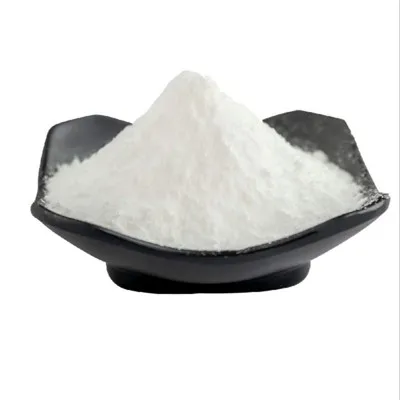
Colorants play a pivotal role in the cosmetics industry, transforming simple beauty products into vibrant and appealing creations. As a colorant supplier, I’ve witnessed firsthand the diverse and innovative ways these substances are used. In this blog, I’ll delve into the various applications of colorants in cosmetics, highlighting their importance and the factors to consider when choosing the right ones. Colorants
1. The Role of Colorants in Cosmetics
Colorants are used in cosmetics for several reasons. Firstly, they enhance the aesthetic appeal of products. From the bright red of a lipstick to the soft pink of a blush, colorants create the visual allure that attracts consumers. They allow brands to offer a wide range of shades to suit different skin tones, preferences, and trends.
Secondly, colorants can be used to provide functional benefits. For example, in sunscreens, certain colorants can act as a visual indicator of proper application. A tinted sunscreen that blends with the skin gives consumers confidence that they have evenly spread the product over their skin.
2. Types of Colorants Used in Cosmetics
There are two main types of colorants used in the cosmetics industry: synthetic and natural.
Synthetic Colorants
Synthetic colorants are laboratory – created and offer a broad spectrum of vivid, consistent colors. They are highly stable, which means they maintain their color over time and under different environmental conditions. For instance, azo dyes are commonly used in synthetic colorants. They are known for their intense colors and are used in products like nail polishes, where a long – lasting and bright color is desired.
However, synthetic colorants have faced some scrutiny. There are concerns about potential allergic reactions and the long – term effects of certain chemicals. As a result, regulatory bodies around the world have strict guidelines on the use of synthetic colorants in cosmetics.
Natural Colorants
Natural colorants are derived from plants, animals, or minerals. For example, carmine, a red colorant, is derived from the dried bodies of cochineal insects. Turmeric, a plant – based spice, can be used to provide a yellow – orange color. Natural colorants are often preferred by consumers who are looking for more "clean" and "eco – friendly" products.
One of the challenges with natural colorants is their stability. They can be more sensitive to factors like light, heat, and pH, which may cause the color to fade or change. Additionally, the availability of natural colorants can be limited by factors such as seasonality and supply chain issues.
3. Applications of Colorants in Different Cosmetic Products
Lipsticks and Lip Glosses
Lipsticks are one of the most iconic uses of colorants in cosmetics. The colorants used in lipsticks need to be safe for ingestion, as a small amount may be accidentally swallowed. They also need to be long – lasting and resistant to smudging. Pigmented colorants are commonly used in lipsticks as they provide intense color and good coverage. Lip glosses, on the other hand, often use more translucent colorants to give a shiny, subtle color effect.
Eyeshadows and Eyeliner
Eyeshadows come in a wide variety of colors, from neutral browns to bright purples. The colorants used in eyeshadows must be finely milled to ensure a smooth application and a blendable texture. Eyeliner, whether it’s liquid, gel, or pencil, also relies on colorants for its defining color. These colorants need to be waterproof and smudge – proof to keep the eyes looking sharp throughout the day.
Foundations and Concealers
Foundations and concealers use colorants to match different skin tones. These colorants need to blend seamlessly with the skin, providing a natural – looking finish. In addition to providing coverage, colorants in foundations and concealers can also have some skin – matching properties. For example, they may contain iron oxides, which can mimic the natural color of the skin.
Nails Polishes
Nail polishes are known for their wide range of colors. The colorants used in nail polishes need to adhere to the nails, be chip – resistant, and provide a high – gloss finish. Additionally, they must dry quickly to allow for a convenient application process.
4. Safety Considerations for Colorants in Cosmetics
As a colorant supplier, safety is our top priority. All colorants used in cosmetics must comply with strict safety regulations. Regulatory bodies such as the Food and Drug Administration (FDA) in the United States and the European Union’s Cosmetic Regulation set guidelines for the use of colorants. These guidelines cover aspects such as the purity of colorants, the maximum allowable levels in products, and the testing requirements.
Before a colorant can be used in cosmetics, it must undergo extensive safety testing. This includes testing for potential skin irritation, allergic reactions, and toxicity. For example, patch testing is commonly used to determine if a colorant may cause skin allergies.
5. Choosing the Right Colorant for Cosmetics
When cosmetics manufacturers are choosing a colorant, several factors need to be considered.
Compatibility
The colorant must be compatible with other ingredients in the cosmetic product. For example, some colorants may react with certain preservatives or emulsifiers, leading to changes in color or product stability.
Color Intensity and Hue
The desired color intensity and hue are crucial. Manufacturers need to select colorants that can achieve the exact shade they want. This may involve mixing different colorants to create custom colors.
Regulatory Compliance
As mentioned earlier, regulatory compliance is essential. Manufacturers need to ensure that the colorants they choose meet all the relevant safety and quality standards in the markets where their products will be sold.
Shelf Life
The colorant should maintain its color and stability throughout the shelf life of the cosmetic product. This means considering factors such as the storage conditions of the product and potential exposure to light, heat, and oxygen.
6. The Future of Colorants in the Cosmetics Industry
The future of colorants in the cosmetics industry looks promising. There is a growing trend towards natural and sustainable colorants. Consumers are becoming more conscious of the ingredients in their cosmetics, and they prefer products that are made from environmentally friendly sources.
Technological advancements are also playing a role. For example, new synthetic colorants are being developed that are more biodegradable and have fewer potential side effects. Additionally, there is research into using advanced extraction methods to improve the stability and quality of natural colorants.
Conclusion
As a colorant supplier, I am excited to be part of the dynamic cosmetics industry. Colorants are not only essential for the visual appeal of cosmetics but also contribute to the functionality and overall quality of the products. Whether it’s a bright lipstick or a natural – looking foundation, the right colorant can make all the difference.
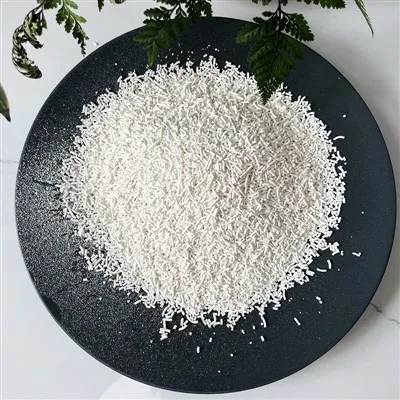
Potassium Sorbate If you’re a cosmetics manufacturer looking for high – quality colorants that meet all safety and regulatory requirements, we’d love to hear from you. Contact us to discuss your specific needs, and let’s work together to create the next generation of beautiful and safe cosmetic products.
References
- "Cosmetic Regulations in the United States." Food and Drug Administration.
- "European Union Cosmetics Regulation." European Commission.
- "Natural Colorants in Cosmetics: Sources and Applications." Journal of Cosmetic Science.
- "Safety Assessment of Synthetic Colorants in Cosmetics." Toxicology Letters.
Fudijia (Tianjin) Supply Chain Co., Ltd.
With abundant experience, we re one of the most professional colorants manufacturers and suppliers in China. We warmly welcome you to wholesale bulk high quality colorants made in China here from our factory. For more information, contact us now.
Address: 301-2-1C,Jin Bin Jie Zuo,No.98, Huanghai Road,TEDA, Tianjin, China
E-mail: foodchem@hjlfoods.com
WebSite: https://www.ifoodchem.com/
