As a seasoned provider of amusement facilities, I’ve witnessed the ever – evolving landscape of the amusement industry. One of the most challenging yet rewarding aspects we face is designing amusement facilities for small spaces. In this blog, I’ll delve into the key design considerations that are crucial for creating engaging and efficient amusement offerings in limited areas. Amusement Facilities
Space Optimization
When working with small spaces, every square foot counts. The first and perhaps most critical consideration is space optimization. Begin by conducting a detailed site analysis to understand the dimensions, layout, and any architectural constraints of the available space. This will help you determine the maximum number of attractions that can be accommodated without overcrowding.
For example, consider multi – functional attractions. These can serve multiple purposes and provide a variety of experiences within a single unit. A climbing wall that also has integrated slides or a ball pit area can offer a more comprehensive play experience in a smaller footprint compared to having separate climbing and sliding structures.
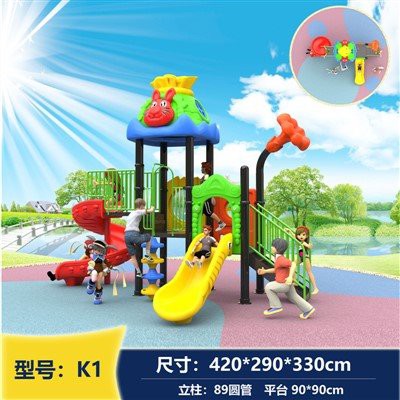
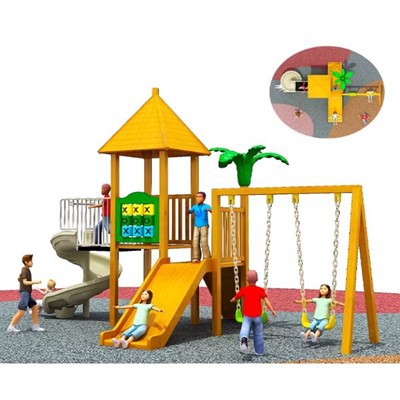
Another effective strategy is vertical space utilization. Installing elevated platforms, multi – level play structures, or hanging attractions can add an extra dimension to the play area. This not only maximizes the use of the available floor space but also creates a more exciting and dynamic environment for visitors. For instance, a suspended obstacle course can provide a thrilling adventure while taking up minimal ground space.
Safety and Accessibility
Safety is non – negotiable in the design of amusement facilities, especially in small spaces where the proximity of attractions and visitors is higher. Ensure that all equipment is built to meet or exceed industry safety standards. This includes using high – quality materials, proper installation techniques, and regular maintenance.
In small spaces, clear pathways and emergency exits are essential. Design the layout in such a way that there are unobstructed routes for visitors to move around, especially in case of an evacuation. Additionally, consider the accessibility of the facilities. Make sure that there are ramps, wide doorways, and accessible seating areas for visitors with disabilities. This not only complies with legal requirements but also ensures that everyone can enjoy the amusement offerings.
Theme and Aesthetics
A well – thought – out theme can transform a small amusement area into a captivating destination. The theme sets the mood and creates a cohesive experience for visitors. When choosing a theme, consider the target audience and the overall concept of the location. For example, if the amusement facility is located in a shopping mall targeting families with young children, a colorful and whimsical theme like a fairy tale forest or a cartoon world can be very appealing.
In terms of aesthetics, use bright colors, interesting textures, and eye – catching signage to enhance the visual appeal of the space. However, be careful not to overdo it, as too many visual elements can make the small space feel cluttered. Instead, focus on creating a few focal points that draw the attention of visitors and tie the theme together.
User Experience
The user experience is at the heart of any successful amusement facility design. In small spaces, it’s important to create a sense of variety and excitement within a limited area. Offer a mix of active and passive attractions to cater to different interests and energy levels. For example, combine a high – energy arcade game with a more relaxed seating area where visitors can take a break and recharge.
Interactive elements are also a great way to enhance the user experience. Incorporate touch – screen displays, motion – activated features, or augmented reality elements into the attractions. This not only makes the experience more engaging but also encourages repeat visits.
Maintenance and Durability
In a small amusement facility, maintenance can be a challenge. Therefore, choose attractions and equipment that are easy to maintain and durable. Opt for materials that are resistant to wear and tear, such as stainless steel, high – density plastics, and weather – treated wood. This will reduce the frequency and cost of repairs and replacements.
Design the facilities in a way that allows for easy access to all components for cleaning and maintenance. For example, removable panels or modular designs can make it easier to reach internal parts of the equipment. Regular maintenance schedules should be established to ensure the safety and proper functioning of all attractions.
Cost – Effectiveness
Cost – effectiveness is an important consideration, especially when working with small spaces. Look for ways to achieve a high – quality design within a reasonable budget. This may involve sourcing materials from reliable and cost – efficient suppliers, choosing standard – sized equipment that is more readily available, and avoiding unnecessary frills or customizations.
However, it’s important not to compromise on safety and quality. Invest in well – designed and reliable attractions that will provide a long – term return on investment. Consider the operating costs of the facilities as well, such as energy consumption and water usage, and choose equipment that is energy – efficient and sustainable.
Flexibility and Adaptability
The amusement industry is constantly evolving, and visitor preferences can change over time. Therefore, design the small – space amusement facilities to be flexible and adaptable. Choose attractions that can be easily modified or updated to keep up with the latest trends. For example, an arcade game cabinet can be reprogrammed to offer new games, or a play structure can be reconfigured to add new elements.
This flexibility also allows for seasonal or special – event promotions. You can easily change the theme or add temporary attractions to create a fresh and exciting experience for visitors throughout the year.
Marketing and Branding
Even in a small space, effective marketing and branding can make a big difference. Develop a unique brand identity for the amusement facility that reflects the theme and target audience. This includes creating a logo, choosing appropriate colors and fonts, and developing a consistent messaging strategy.
Use social media, local advertising, and partnerships with nearby businesses to promote the amusement facility. Offer special deals, loyalty programs, or birthday party packages to attract more visitors. By building a strong brand and a positive reputation, you can increase the visibility and profitability of the small – space amusement offering.
Conclusion
Designing amusement facilities for small spaces requires a careful balance of creativity, functionality, and safety. By considering the factors discussed in this blog, such as space optimization, safety, theme, user experience, maintenance, cost – effectiveness, flexibility, and marketing, you can create a successful and engaging amusement destination in a limited area.
If you’re interested in exploring amusement facility options for your small – space project, I’d be more than happy to discuss how we can work together to bring your vision to life. Let’s start a conversation about creating an unforgettable amusement experience that fits your space, budget, and target audience.
References
Indoor Playground Blythe, M. (2006). Design for Pleasure. Elsevier Butterworth – Heinemann.
Goldstein, D. (2012). Fun and Profit: The Business of Amusement Parks. Wiley.
Manley, M. (2015). Safety Standards in Amusement Rides and Attractions. Routledge.
Wenzhou Linmao Technology Co., Ltd.
As one of the leading amusement facilities manufacturers and suppliers in China, we also support customized service. Please feel free to buy high quality amusement facilities made in China here from our factory. For pricelist, contact us now.
Address: Mei’ao Village, Qiaoxia Town, Yongjia County, Wenzhou City, Zhejiang Province, China
E-mail: 951045112@qq.com
WebSite: https://www.linmaoplay.com/
