Hey there, shampoo enthusiasts and fellow biz folks! I’m the owner of a shampoo bottle supplier, and today, I wanna dig deep into a super-important question: What is the maximum temperature a shampoo bottle can withstand? Shampoo Bottle

First off, let’s talk about why this matters. As a shampoo brand, you’re probably sending your products all over the place, right? They might end up in a shipping container under the scorching sun, or sitting on a store shelf near a heater. If your bottles can’t handle the heat, it can spell big trouble. You could end up with leaks, deformation, or even chemical reactions inside the bottle that mess with the quality of your shampoo.
So, what types of materials are shampoo bottles usually made of, and how do they hold up under heat?
Common Materials Used in Shampoo Bottles
PET (Polyethylene Terephthalate)
PET is like the go – to material for shampoo bottles. It’s lightweight, transparent, and recyclable. But when it comes to temperature resistance, it has its limits.
PET starts to soften at around 70°C (158°F). When it gets close to this temperature, the bottle can start to lose its shape. You might notice it getting a bit wobbly or developing some dents. If the temperature goes higher, say around 120°C (248°F), the PET can start to melt. That’s a disaster for your product because not only will the bottle be ruined, but there’s also a risk that the melted plastic can contaminate the shampoo.
In real – world scenarios, though, it’s rare for a shampoo bottle to reach these extreme temperatures during normal shipping and storage. But in places with extremely hot climates or if the bottles are stored in direct sunlight for long periods, it’s something to keep an eye on.
HDPE (High – Density Polyethylene)
HDPE is another popular choice. It’s more rigid than PET and has better chemical resistance.
HDPE can withstand higher temperatures compared to PET. It starts to soften at around 120°C (248°F) and melts at around 130 – 135°C (266 – 275°F). This makes it a great option if your products are likely to be exposed to warmer conditions.
However, even though HDPE has better heat resistance, it’s not invincible. If it’s exposed to high temperatures for a long time, it can still become brittle and crack. This is especially true if the bottle is under stress, like if it’s tightly packed in a box.
Glass
Glass bottles are a classic choice, especially for high – end shampoos. They’re super durable and don’t react with the shampoo inside.
Glass can handle really high temperatures. It doesn’t start to soften until around 500 – 600°C (932 – 1112°F). But here’s the catch: glass is heavy and breakable. And while it can handle high temperatures, rapid temperature changes can cause it to crack. For example, if a hot glass bottle is suddenly cooled down, like by being put in a cold storage area, it might shatter.
Factors Affecting Temperature Resistance
It’s not just the material of the bottle that matters. There are a few other factors that can affect how well a shampoo bottle withstands heat.
Wall Thickness
The thicker the walls of the bottle, the better it can handle heat. A thicker wall provides more insulation and can prevent the heat from quickly affecting the contents inside. For example, a thick – walled PET bottle might be able to withstand a few extra degrees of heat compared to a thin – walled one.
Additives
Some manufacturers add special additives to the plastic to improve its temperature resistance. These additives can help the plastic stay more stable at higher temperatures and prevent it from deforming as easily.
Design of the Bottle
The shape and design of the bottle can also play a role. Bottles with a simple, smooth design are generally better at handling heat than those with complex shapes or lots of ridges. Complex shapes can create stress points in the plastic, which can make it more likely to deform or crack when exposed to heat.
Testing and Quality Assurance
As a shampoo bottle supplier, we take temperature resistance seriously. We conduct a bunch of tests to make sure our bottles can handle the heat.
One of the tests we do is the oven test. We put the bottles in an oven set at a specific temperature for a certain period of time. Then we check for any signs of deformation, like changes in shape or size. If the bottle passes this test, we know it can handle that temperature without any major issues.
We also do real – world simulations. We pack the bottles in the same way they would be during shipping and expose them to different temperature conditions for a few days. This helps us see how they’ll perform in actual use.
What This Means for Shampoo Brands
If you’re a shampoo brand, understanding the temperature resistance of your bottles is crucial. You need to choose the right material based on where your products will be shipped and stored.
For example, if you’re selling your shampoos in a country with a hot climate, you might want to consider using HDPE bottles instead of PET. Or if you’re going for a high – end look and your products won’t be exposed to rapid temperature changes, glass could be a great option.
It’s also important to work with a reliable supplier who can provide you with detailed information about the temperature resistance of their bottles. That way, you can make an informed decision and ensure that your products arrive in perfect condition.
Conclusion and Call to Action
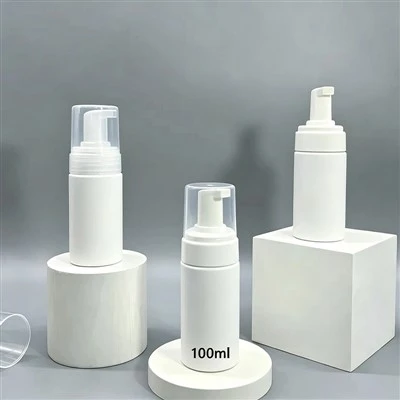
So, there you have it! The maximum temperature a shampoo bottle can withstand depends on the material, wall thickness, additives, and design. As a shampoo bottle supplier, we’re here to help you choose the best bottles for your products.
Lotion Bottle If you’re in the market for high – quality shampoo bottles that can handle the heat, don’t hesitate to reach out. We’ve got a wide range of options in different materials and designs, and we’re happy to work with you to find the perfect fit for your brand. Whether you’re a small startup or a big – name brand, we’re here to provide you with top – notch products and excellent customer service. Let’s have a chat and see how we can make your shampoo packaging a success!
References
- "Plastics Technology Handbook" by Myers, Charles L.
- "Handbook of Polymer Science and Technology" edited by Mark, Herman F.
- Industry reports on plastic and glass packaging materials.
Unic Packaging International Ltd.
With abundant experience, we are one of the most professional shampoo bottle manufacturers and suppliers in China. We warmly welcome you to wholesale custom made shampoo bottle at competitive price from our factory. Good service and quality products are available.
Address: RM1501, Unit 1, Building7, BaoLiLuoLanXiangGu Estate, DingQiao, HangZhou, China
E-mail: sales@unicgreenpack.com
WebSite: https://www.unicgreenpack.com/
