As a supplier of High Flow Stainless Deep Well Pumps, I often encounter customers asking about the speed of the motor in our pumps. The motor speed is a crucial factor that directly affects the pump’s performance, efficiency, and overall functionality. In this blog, we’ll delve into the details of motor speed in high-flow stainless deep well pumps, exploring its significance, factors influencing it, and how it relates to the pump’s operation. High Flow Stainless Deep Well Pump

Understanding Motor Speed in Pumps
The speed of an electric motor in a deep well pump is typically measured in revolutions per minute (RPM). This rotational speed is what drives the impellers within the pump, creating the necessary force to lift water from deep wells. Different types of motors and pump designs can have varying maximum and optimal speeds, which are carefully engineered to ensure the pump operates at its best.
In general, the motor speed affects several key aspects of the pump’s performance:
- Flow Rate: The flow rate, or the amount of water the pump can move per unit of time, is directly related to the motor speed. A higher RPM generally means the impellers spin faster, which can increase the flow rate. However, this relationship is not always linear, as other factors such as the pump’s design, impeller size, and the depth of the well also play significant roles.
- Head Pressure: Head pressure refers to the height to which the pump can lift water. A faster motor speed can generate more pressure, allowing the pump to lift water to greater heights. But again, this is limited by the pump’s design and the capabilities of the motor.
- Efficiency: Operating the motor at the right speed is essential for achieving optimal efficiency. Running the motor too fast or too slow can lead to increased energy consumption and reduced performance. Manufacturers design the pumps to operate within a specific speed range to maximize efficiency and minimize wear and tear on the components.
Factors Influencing Motor Speed
Several factors can influence the speed of the motor in a high-flow stainless deep well pump:
- Power Supply: The voltage and frequency of the power supply are fundamental factors that determine the motor’s speed. In most regions, the standard power supply frequency is either 50 Hz or 60 Hz. Motors are designed to operate at a specific speed based on the frequency of the power supply. For example, a typical induction motor running on a 60 Hz supply will have a synchronous speed of 3600 RPM (for a 2 – pole motor), while the same motor on a 50 Hz supply will have a synchronous speed of 3000 RPM.
- Motor Design: The design of the motor, including the number of poles, also affects its speed. Motors with more poles have a lower synchronous speed. For instance, a 4 – pole motor running on a 60 Hz supply will have a synchronous speed of 1800 RPM, compared to 3600 RPM for a 2 – pole motor. The choice of motor design depends on the specific requirements of the pump, such as the desired flow rate and head pressure.
- Load Requirements: The load on the pump, which is determined by the depth of the well and the flow rate needed, can also impact the motor speed. When the pump is required to lift water from a deeper well or maintain a high flow rate, the motor may need to work harder, which can cause a slight decrease in speed due to the increased load.
Optimal Motor Speed for High – Flow Stainless Deep Well Pumps
Determining the optimal motor speed for a high – flow stainless deep well pump involves a careful balance of several factors. The pump needs to be able to deliver the required flow rate and head pressure while operating as efficiently as possible.
Manufacturers conduct extensive testing to determine the optimal speed range for each pump model. This range is typically specified in the pump’s technical documentation. For example, a high – flow pump designed for a relatively shallow well may have an optimal motor speed of around 3000 RPM, while a pump intended for deeper wells may operate best at a lower speed, such as 1800 RPM.
It’s important for customers to select a pump with a motor speed that matches their specific application. If the motor speed is too low, the pump may not be able to deliver the necessary flow rate or lift the water to the required height. On the other hand, if the motor speed is too high, it can lead to excessive wear on the pump components, increased energy consumption, and potentially shorter pump life.
Monitoring and Adjusting Motor Speed
In some cases, it may be necessary to monitor and adjust the motor speed to ensure optimal performance. This can be achieved through the use of variable frequency drives (VFDs). A VFD allows the user to control the frequency of the power supplied to the motor, which in turn adjusts the motor speed.
VFDs offer several benefits for high – flow stainless deep well pumps:
- Energy Savings: By adjusting the motor speed to match the actual load requirements, VFDs can significantly reduce energy consumption. For example, if the demand for water decreases, the motor speed can be reduced, resulting in lower power usage.
- Improved Pump Life: Operating the pump at the correct speed can reduce wear and tear on the components, extending the pump’s lifespan. VFDs can help maintain the optimal speed under varying load conditions.
- Enhanced Control: VFDs provide precise control over the motor speed, allowing for better regulation of the flow rate and head pressure. This can be particularly useful in applications where the water demand fluctuates.
Conclusion
The speed of the motor in a high – flow stainless deep well pump is a critical factor that impacts the pump’s performance, efficiency, and longevity. Understanding the relationship between motor speed, flow rate, head pressure, and other factors is essential for selecting the right pump for your application.
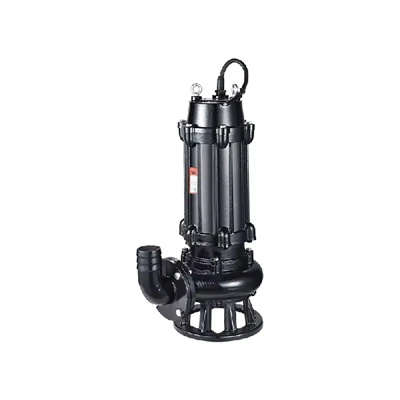
As a supplier of high – flow stainless deep well pumps, we are committed to providing our customers with pumps that are designed and engineered to operate at optimal speeds. Our pumps are built to deliver reliable performance, high efficiency, and long – term durability.
QY Oil-Immersed Cast Iron Submersible Pump If you’re in the market for a high – flow stainless deep well pump or have any questions about motor speed and its impact on pump performance, we invite you to get in touch with us. Our team of experts is ready to assist you in selecting the right pump for your needs and providing you with all the information you need to make an informed decision.
References
- Hydraulic Institute. (2020). ANSI/HI 1.1 – 1.6 Rotodynamic Pumps for Centrifugal, Mixed – Flow and Axial – Flow.
- Pumps: Principles and Practice (3rd Edition) by Igor J. Karassik, Joseph P. Messina, Paul Cooper, and Charles C. Heald
Longbiao Pump Industry Co., Ltd.
We are one of the most professional high flow stainless deep well pump manufacturers and suppliers in China, featured by quality products and low price. Please rest assured to buy discount high flow stainless deep well pump for sale here from our factory. We also accept customized orders.
Address: Unit 101, Building 11, Pan’ao Entrepreneurship Park, Daxi Town, Wenling City, Taizhou City, Zhejiang Province, P.R. China
E-mail: 1653746797@qq.com
WebSite: https://www.cnlongbiao.com/
