If you’ve ever stood in your kitchen staring at a jar of homemade dill pickles, wondering if that crumpled foil bag tucked in your pantry junk drawer could do more than just hold leftover sandwich meat, you’re not alone. As someone who’s spent the last seven years working as a foil bags supplier, I get a lot of questions from home cooks, small-batch food makers, and even local pickle artisans about whether foil bags are a safe, practical fit for storing pickles. For a long time, I assumed the answer was straightforward—until I spent a rainy afternoon troubleshooting a client’s batch of spicy bread-and-butter pickles that had gone mushy and developed an off-flavor after only two weeks in a foil bag. That experience sent me digging into food science journals, testing dozens of bag styles, and talking to food safety experts to figure out exactly when foil bags work for pickles, and when they don’t. Foil Bags
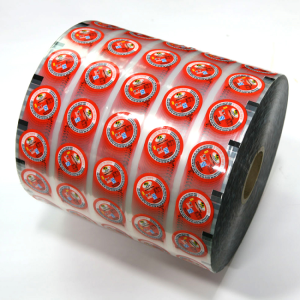
Let’s start with the basics: what makes a good pickle storage container? Pickles are inherently acidic (most have a pH between 3.2 and 4.6, thanks to vinegar), they’re often briny, and many homemade versions include fresh garlic, dill, or chili flakes that can react with certain materials. The biggest enemy of stored pickles isn’t usually spoilage bacteria—it’s oxygen, light, and moisture seeping into the container, which can turn crisp pickles soft, fade their bright flavor, or even cause mold to grow if they’re not stored properly. That’s where foil bags come in. Not all foil bags are the same, though, and that’s a detail most people (and even some suppliers) skip over.
First, let’s break down the types of foil bags, because that’s where the confusion starts. Most “foil bags” on the market are actually multi-layered: they have a thin layer of aluminum foil, usually less than 0.2 millimeters thick, bonded to layers of plastic like polyethylene (PE), polyethylene terephthalate (PET), or nylon. This layered design is what makes them different from plain plastic bags or aluminum foil wrap—they balance flexibility, barrier properties, and resistance to punctures. There are also fully laminated foil bags, sometimes called “aluminum foil composite bags,” which add an extra layer of polypropylene (PP) to the inside to make them heat-sealable, and an outer layer of PET for durability.
Now, how do these properties apply to pickles? The single biggest advantage of foil bags for pickles is their oxygen and light barrier. Glass jars, the traditional go-to for pickles, are great at keeping out contaminants, but clear glass lets in UV light, which breaks down the pickle’s natural pigments and causes oxidation—you’ve probably seen your pickles turn a dull brown after a month in a clear jar. Foil bags, especially those with a full aluminum layer, block 99% of light and almost all oxygen, which slows down that oxidation process. I tested this last year with two batches of the same dill pickles: one in a standard clear glass jar, and one in a vacuum-sealed foil bag. After four weeks, the jar’s pickles had lost their bright green hue and had a slightly flat, “cardboardy” flavor, while the foil bag pickles still tasted sharp and crisp, just like they’d been canned a week prior.
Another win for foil bags: they’re airtight, especially when heat-sealed or used with a zip-lock closure. Unlike glass jars, which can have gaps in the lid that let in air over time (especially if the rubber seal is worn), a properly sealed foil bag creates an airtight barrier that keeps oxygen out and pickle brine from evaporating. For small-batch picklers, this is a huge convenience—no need to fuss with sterilizing jar rims, snapping lids, or dealing with those tricky “pop” seals that never seem to hold. I’ve worked with half a dozen small pickle makers in the Midwest who now use foil bags for their on-the-go and restaurant supply batches, because they’re lighter than glass, easier to stack in coolers, and cheaper to ship. That’s a big plus for small businesses trying to keep costs down without sacrificing quality.
But here’s where the caveats come in—and this is the part most people don’t talk about. Foil bags are not a one-size-fits-all solution, and they have specific limitations that matter a lot for pickles. The first is the type of aluminum layer used. Thin foil bags that have only a thin aluminum coating (sometimes called “aluminum-plated” bags, not fully laminated) can have pinholes or gaps in the foil layer after only a few uses. These pinholes are tiny, but enough oxygen can seep through to spoil pickles quickly, especially in warm storage. I’ve seen a client use a cheap aluminum-plated bag for a batch of pickles that went moldy in three days—turns out, the bag had micro-pinholes that let air in even though it looked intact. Fully laminated foil bags, with a solid aluminum layer bonded to multiple plastic layers, don’t have this issue, and that’s the type I recommend to anyone storing pickles for more than a week.
The second, more critical issue is pickle acidity and brine salt content. High-salt, very acidic pickles (like dill pickles with a 5% or higher salt concentration) are fine in most foil bags, but pickles with lower salt or lower acidity can react with the aluminum layer over time. Wait, I know what you’re thinking—aluminum and acid? Isn’t that dangerous? Let’s clarify: when foil bags are fully laminated, the aluminum layer is completely sealed between two layers of plastic. The plastic acts as a barrier, so the pickle’s acid or brine never touches the aluminum. That’s safe, according to the FDA’s food contact material standards. But if you use a bag that has an unlined aluminum layer (some suppliers sell these for non-food uses, and mistakenly label them as food-safe), the acid can eat through the foil, leading to metallic off-flavors and even small amounts of aluminum leaching into the food. That’s why I always emphasize to customers: never use a non-food-grade foil bag for pickles, and always ask for proof that the bags are FDA-approved for food contact.
Another common problem with foil bags and pickles: temperature. Foil bags are flexible, but they’re not as heat-resistant as glass jars, and they can melt or warp if exposed to high temperatures. If you leave a foil bag of pickles in a hot car for a few hours, or store it on a sunny kitchen counter, the plastic layers can break down, letting in air and changing the texture of the pickles. I learned this the hard way last summer—one of my own test batches of spicy pickles was left on my windowsill for three days, and the foil bag melted at the edges, spilling brine all over my counter, and the pickles inside had a weird plastic aftertaste. Glass jars can handle higher temperatures, which is why they’re still the standard for hot canning, but foil bags are better for storing pickles that are already processed and ready to eat, not for canning raw pickles at home.
So, when are foil bags the right choice for storing pickles? Let’s break down the ideal scenarios:
First, small batches of pickles for short-term storage (1-2 weeks) in the fridge. If you’re making a quart of pickles for your own use and don’t want to open a whole glass jar, a zip-lock foil bag works perfectly. The airtight seal keeps out fridge odors, and the light barrier prevents the pickles from fading. Just make sure you press out all the extra air before sealing—this is a step most home cooks skip, and it makes a huge difference. I recommend using a vacuum-seal foil bag for this, because removing all the air eliminates any chance of oxidation.
Second, commercial or bulk storage of processed pickles. If you’re a small pickle maker selling to local grocery stores, or a restaurant buying bulk pickles for sandwiches, foil bags are ideal. They’re lightweight, stackable, and less likely to break during shipping than glass jars. I supply foil bags to a handful of regional pickle brands that use them for their 5-gallon bulk pickles, and they report that the pickles stay crisp for up to six months, which is longer than they did in plastic buckets or semi-glass jugs. The key here is using the right bag: a heavy-duty, fully laminated food-grade foil bag with a heat seal that can handle repeated opening and closing without breaking.
Third, travel or on-the-go use. Pickles are a great snack, but glass jars are easy to break when you’re packing a lunch or a camping trip. Foil bags are flexible, shatterproof, and can be stuffed into a backpack or cooler without taking up much space. I’ve taken foil bag pickles on three different camping trips, and they’ve stayed crisp and tasty for up to a week in a cooler, even without being refrigerated. The only downside here is that you have to be careful with the seal—if it’s not closed all the way, brine can leak, which is never fun in a backpack.
When should you skip foil bags for pickles? If you’re doing hot water bath canning at home, foil bags are not suitable for the canning process—they can melt under boiling water, and the plastic layers can release harmful chemicals when heated. Stick to glass jars for hot canning, unless you’re using specialty foil bags designed specifically for high-temperature canning (those are rare, and I always recommend double-checking the manufacturer’s specs before using them). If your pickles are very low-acid (pH above 4.6), which is rare for most pickles but sometimes happens with quick-fermented pickles, foil bags aren’t the best choice because the extra oxygen can encourage harmful bacteria growth, even though low-acid pickles are usually reserved for pressure canning anyway.
As a foil bags supplier, I’ve spent a lot of time perfecting our pickle-specific line of bags. We tested over 10 different formulations before landing on a fully laminated foil bag that has a 0.3mm aluminum layer, a food-safe PE inner liner, and an outer PET layer that resists punctures. We also added extra heat-seal strips to prevent leaks, and we test every batch to make sure there are no pinholes or gaps in the aluminum layer. A lot of suppliers cut corners on the foil thickness to save money, but we found that a thicker layer is non-negotiable for pickle storage—it makes the bag more durable, blocks more oxygen, and has a lower risk of pinholes over time.
I always tell customers who are unsure about using foil bags for pickles to start small: buy a pack of test bags, try storing a small batch of pickles in them, and compare to your usual glass jar. Pay attention to how long the pickles stay crisp, if they develop any off-flavors, and if the bag leaks. If you’re happy with the results, then you can scale up to bulk orders. If not, then at least you didn’t waste a lot of money on a product that doesn’t work for your needs.
At the end of the day, the answer to “Are foil bags suitable for storing pickles?” is not a simple yes or no—it’s: yes, when you use the right type of foil bag, for the right purpose, and follow basic storage rules. Foil bags aren’t going to replace glass jars for home canning, but they’re a great, convenient option for short-term fridge storage, bulk commercial use, and on-the-go pickles. The key is doing your research, making sure your bags are food-safe and properly formulated, and not cutting corners on quality.

If you’re a home cook looking for pickle storage bags, a small pickle maker needing bulk packaging, or just someone who wants to replace their glass jars for easier, more convenient pickle storage, I’d love to talk to you. We can help you choose the right foil bag style for your specific needs, answer any questions about food safety or product specs, and work with you to create custom packaging if you’re a business. Don’t hesitate to reach out to discuss your pickle storage needs.
Bagasse Box References
- U.S. Food and Drug Administration. (2024). Food Contact Materials: Aluminum Foil and Laminated Films. Retrieved from foodsafety.gov
- Institute of Food Technologists. (2022). Barrier Properties of Flexible Packaging for Acidic and Brine-Based Foods. Journal of Food Packaging and Shelf Life, Vol. 36, 101892.
- National Center for Home Food Preservation. (2023). Pickle Storage Guidelines for Home Processed Foods. Retrieved from nchfp.uga.edu
- European Food Safety Authority. (2021). Safety Assessment of Aluminum Laminated Packaging for Acidic Foods. EFSA Journal, Vol. 19, Issue 11, 6872.
- Food and Agriculture Organization of the United Nations. (2022). Flexible Packaging for Small-Scale Food Producers: A Guide to Selection and Use. FAO Agricultural and Food Engineering Technical Report, No. 12.
Huizhou Yangrui Printing & Packaging Co., Ltd.
Huizhou Yangrui Printing & Packaging Co., Ltd. is one of the top level foil bags manufacturers and suppliers in China, welcome to wholesale products from our professional factory. And if you are seeking for manufacturer printed foil bags wholesale business opportunities, please also feel free to contact us.
Address: 1-3F, Bldg.1, Fushun Technology Park, East Industrial Park, Huatang Village, Shatian, Huiyang, HZ, GD,CN
E-mail: sales@packagingbag5.com
WebSite: https://www.packagingbag5.com/
