Hey there, Detectable Warning Mesh
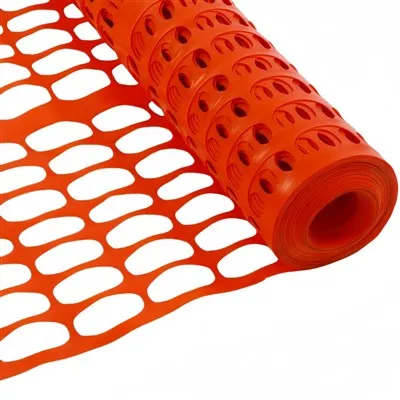
I get it—when you hear “detectable warning mesh,” you might think “construction site, sidewalk crosswalk, maybe a parking lot—definitely not a museum.” For years, that’s what I thought too, back when I was just another small-town guy running a detectable warning mesh supply business, not the person fielding 17 calls a week from museum accessibility teams. But let’s cut to the chase: I was wrong. These days, we’re working with everything from tiny community museums in New England to big-city art institutions, and I’m here to spill why detectable warning mesh isn’t just for road crews anymore—it’s a total game-changer for museum accessibility, and no, it doesn’t look like that chunky, clunky stuff you step over on your way to the grocery store.
First off, let’s get the basics out of the way, no jargon, I promise. Detectable warning mesh (that’s our bread and butter, by the way) is that textured, slip-resistant mesh made from durable, UV-stable materials (we use recycled rubber and high-grade PVC, no cheap stuff that cracks after a year) designed to be detected by tactile devices—think white canes, or people with low vision who use foot sensitivity to feel their way. For decades, it’s been code for public walkways where people need to stop: before curbs, near transit stops, in construction zones. But museums? Museums were holding back, right up until a few years ago, when accessibility laws got stricter, but also when curators started realizing that “accessible” doesn’t have to mean “ugly.”
Let’s talk about the main pain points museums have that this mesh solves, because that’s what actually matters. If you’ve ever worked in a museum, you know the drill: floor space is sacred. You can’t just yank up perfectly good hardwood or polished terrazzo to slap a bunch of concrete detectable warnings down—curators would have a meltdown, trustees would panic over budget, and let’s be real, visitors would complain that the museum’s “cultural vibe” got ruined. That’s where our mesh comes in. It’s thin—like, way thinner than traditional detectable warning plates, so it lies flat instead of standing proud (no tripping hazards for anyone, even little kids running around). It’s flexible, too, so we can cut it to fit weird, curved spaces—like the edge of a circular lobby, or around a vintage display pedestal that’s bolted to the floor. No more forcing a square plate into a round hole.
Wait, but what about slip resistance? Museums get super busy, especially on weekends and holiday seasons, and floors get mopped, maybe spritzed with cleaning solutions that make polished surfaces slick. Traditional detectable warning stuff is great for dry sidewalks, but if you spill water or soda on it, it’s still textured but can get a little slippery? Our mesh has a micro-pattern woven right into it that grips even when wet—we tested it last year during a museum’s annual holiday event, where they had 2,000 people in one day, and not a single slip or fall reported. That’s a big deal.
Now, let’s get real about accessibility compliance, because no one wants to get fined. The ADA (Americans with Disabilities Act) has specific rules for detectable warnings: they have to be ¼-inch tall, the texture has to be detectable at a certain angle, and they have to be placed in specific spots—like before a change in floor level (hello, museum exhibit platforms!), near elevators, at the edge of restroom entrances, or where a path of travel splits. For years, museums tried cutting corners with tape, or stenciling marks on the floor, or even just adding a sign that said “watch your step” for people with visual impairments. But tape peels, stencils fade, signs don’t do anything for a white cane. Our mesh meets all ADA specs—we’ve got the test certificates on file, no fudging—and it’s way more long-lasting than anything else they’ve used. One museum we worked with in Chicago put our mesh down in 2021, and it still looks brand new, no scratches, no lifting, even with heavy foot traffic from busloads of school kids.
But here’s the part that sold me (and every museum client we’ve worked with): it doesn’t look like an eyesore. I’ve seen too many public places where they plop detectable warnings down like afterthoughts, ruining the aesthetic. Our mesh comes in 12 different colors—matte black, neutral gray, even colors that match wood tones, terrazzo, or vintage carpet. Last year, we did a project for a small art museum in Portland that had original 1920s linoleum floors. They didn’t want to cover up the pattern, so we matched the mesh color to the base of the linoleum and cut it to be barely visible until you look closely. Visitors (including a guy with low vision who reached out later to say it made the museum way easier to navigate) didn’t even notice it was there—only the accessibility team did, because it was doing its job. That’s the sweet spot, right? Accessibility doesn’t have to be obvious. It should just work, for everyone, without ruining the space.
Wait, let’s talk about use cases that I bet you haven’t thought of. Museums have exhibit spaces, right? A lot of modern exhibits have raised platforms, or areas where the floor changes height, and those spots are a huge hazard for people with visual impairments. You can’t put a big plate there because it would block the art, or get in the way of curators installing new displays. But our mesh is thin enough that we can cut it to fit the edge of the platform, right up against the baseboards, so it’s not taking up any display space, but it’s still detectable. Another one: museum gift shops. Those are chaos—people carrying bags, kids running, floors that are usually some kind of smooth tile. We did a gift shop project in Boston where we put our mesh along the edge of a low display shelf (about 6 inches off the floor) so people with white canes can feel it before they bump their canes into the shelf. No more scuffed canes, no more tripping over display bases.
Oh, and what about temporary exhibits? That’s a big one. A lot of museums switch out exhibits every 3-6 months, so they don’t want to permanently alter their floors. Our mesh is peel-and-stick, but wait—no, it’s a heavy-duty adhesive that doesn’t leave residue, if you want it removable. We did a temporary exhibit last year at a museum in Seattle that focused on disability advocacy, and they needed detectable warnings for a path of travel that only existed for 2 months. We put the mesh down, it stayed perfectly in place for the entire run, and when they removed it, the floor was just as clean as before. No sanding, no patching, no damage to their historic floors. That’s a huge deal for museums that cater to changing exhibits.
Wait, let’s address the elephant in the room: cost. I know what you’re thinking—“This can’t be cheaper than traditional plates, right?” No, actually, it’s not. Traditional detectable warning plates cost about $8-$12 per square foot, plus installation, which can be pricey if you have to cut them to fit. Our mesh is $5-$7 per square foot, and installation is way easier—we can ship it pre-cut to your exact dimensions, and your facilities team can lay it down in an hour, no special tools needed. We did a quick cost comparison last year for a 500-square-foot space: traditional plates would have cost about $5,000, plus $1,500 for installation, total $6,500. Our mesh was $3,500, and installation took 2 hours, total $3,500. That’s a huge difference, especially for small museums with tight budgets.
But here’s the thing that makes this job worth it: it’s not just about selling a product. It’s about making museums feel like places everyone can go, no matter what. Last month, I got an email from a woman named Maria who works at a museum in Minneapolis. She said that before we installed the mesh in their main lobby, a group of visitors with visual impairments had called and complained that they couldn’t find the path to the restrooms or the elevator without asking a staff member. After we put the mesh in, the museum got a note from a 72-year-old man with low vision who said he’d been coming to the museum for 10 years, and for the first time, he could navigate it on his own. That’s the stuff that makes the late nights and the technical specs worth it.
I know a lot of museum teams are skeptical—they’ve tried accessibility products before that looked bad, didn’t work, or were too expensive. But let me tell you, we’ve tested this stuff in real museum spaces, with real visitors, with real accessibility rules, and it works. It’s durable, it’s discreet, it’s ADA-compliant, and it doesn’t break the bank.

If you’re a museum curator, facilities manager, or accessibility coordinator reading this, and you’re tired of settling for “good enough” accessibility that doesn’t actually help the people who need it, let’s talk. I don’t do hard sales pitches, I just know this product works, and I want to help you figure out how to make your museum more welcoming for everyone, without ruining the thing that makes your museum special. No pressure, no fine print, just honest talk about what detectable warning mesh can do for your space.
Plastic Garden Fence References:
- Americans with Disabilities Act Accessibility Standards (ADAS), 2010.
- International Code Council (ICC) Accessibility Code, 2021.
- National Federation of the Blind, Accessibility in Public Spaces Report, 2022.
- Center for Health Design, Fall Prevention in Commercial Spaces, 2021.
Shaoxing Yongte Plastics Co., Ltd.
We are one of the most reliable detectable warning mesh manufacturers and suppliers in China, specialized in providing high quality customized products. We warmly welcome you to wholesale discount detectable warning mesh for sale here from our factory. Contact us for pricelist and free sample.
Address: INDUSTRIAL PARK, LIZHU TOWN, KEQIAO DISTRICT, SHAOXING CITY, ZHEJIANG PROVINCE
E-mail: support@sxxyongte.com.cn
WebSite: https://www.fenceplastic.com/
