As a solvent dye supplier who’s spent the last decade working directly with lubricant formulators, plant managers, and quality control teams, I’ve had more conversations than I can count about the tiny, often overlooked additives that keep industrial and automotive lubricants from being just another bottle of clear fluid. Most people don’t realize that when a mechanic pulls a bright red gear oil from a shelf, or a plant engineer checks a hydraulic line with a dipstick that’s a distinct amber hue, that color isn’t accidental—it’s the work of solvent dyes. For years, I watched clients use these dyes as a “nice-to-have” add-on, but over time, I’ve come to see how they’re not just for making a product look good; they’re critical tools for functionality, safety, and even regulatory compliance in the lubricant industry. Let’s break down exactly what solvent dyes do in this space, why they matter, and how my team helps formulators get the right mix for their needs. Solvent Dye
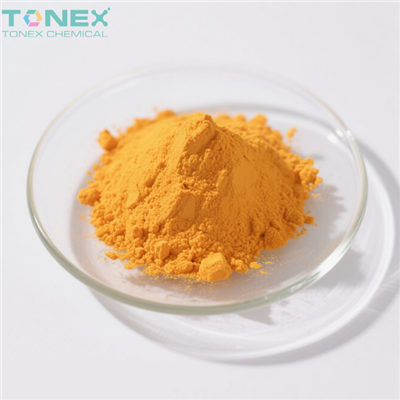
First, it’s important to ground this in what solvent dyes are, specifically for lubricant applications. Unlike water-based dyes, which break down in oil or tend to leave streaks, solvent dyes are organic, oil-soluble compounds that dissolve evenly in hydrocarbon-based base oils, synthetic esters, or polyalphaolefins (PAOs)—the core of almost every lubricant. They don’t separate, don’t settle at the bottom of a drum, and don’t react with other additives like anti-wear agents or corrosion inhibitors. That stability is non-negotiable for lubricants, which are designed to perform in extreme temperatures, high pressure, and constant circulation. Without that compatibility, a dye would do more harm than good, clogging filters or altering the lubricant’s viscosity. But beyond basic solubility, their uses in lubricants fall into five key areas, most of which my team works with clients to tailor every single day.
The first and most obvious use is visual identification, but it’s not just about making a product stand out on a store shelf. The lubricant industry is flooded with dozens of different formulations: motor oil, gear oil, hydraulic fluid, compressor oil, transformer oil, and more, each with specific performance requirements. If a maintenance team grabs the wrong lubricant for a piece of machinery, the results can be catastrophic. I once had a client who runs a fleet of 500 heavy-duty trucks; they’d nearly ruined a $200,000 engine because a mechanic grabbed generic hydraulic fluid instead of the specified heavy gear oil. The difference? The gear oil was dyed bright amber, and the hydraulic fluid was a pale, nearly clear yellow. After that incident, they switched to standardized dye colors for all their products: red for gear oils, blue for automatic transmission fluids, green for hydraulic fluids. That small color distinction cut their wrong-fluid mistakes by 98% in six months. Beyond industrial and automotive uses, consumer-facing lubricants also use dyes to signal performance: high-performance synthetic oils are often dyed dark blue or purple, while conventional motor oils stay amber, so consumers can tell at a glance what they’re buying. It’s a simple, low-cost solution that prevents costly human error, and solvent dyes are the only way to get that consistent, long-lasting color in lubricants.
Second, solvent dyes are used for leak detection, a use that’s saved countless hours of downtime and reduced environmental contamination. Hydraulic systems, for example, operate at pressures up to 5,000 psi—even a tiny pinhole leak can go unnoticed for hours, leading to lost fluid, equipment damage, or even safety hazards for workers. Formulators add a small amount of fluorescent solvent dye (a type of solvent dye that glows under UV light) to hydraulic fluids, compressor oils, and even refrigeration lubricants. When a leak occurs, the fluid seeps out, and a technician can wave a portable UV light over the area to spot the glowing trace, even on dark floors or behind machinery. I’ve worked with a power plant that had a hidden leak in a 100-foot-long steam turbine’s lubrication line; they were losing 5 gallons of oil a week and couldn’t find the source until they added a fluorescent dye. The leak was a tiny crack in a pipe joint, something that would have taken days to find without the dye. Not only did that stop the lost fluid, but it also prevented the oil from contaminating the plant’s stormwater system, which would have triggered regulatory fines. The key here is that solvent dyes are insoluble in water, so they don’t wash away with rain or cleaning fluids, making them perfect for outdoor or industrial applications. Water-based leak detection dyes, by contrast, would be diluted by the lubricant’s base oil, so they never show up under UV light. That’s why every industrial lubricant I’ve worked with that needs leak testing uses solvent-based fluorescent dyes.
Third, solvent dyes serve as quality control markers for both manufacturers and end-users. When a lubricant is batch-produced, it’s critical to ensure that every drum or bottle has the right additive concentration, and that there’s no cross-contamination between batches. For example, if a manufacturer runs a batch of red gear oil right before a batch of blue automatic transmission fluid, a tiny amount of red dye left in the mixing tank could ruin the entire blue batch, leading to thousands of dollars in wasted product. By adding a unique, easily detectable solvent dye to each formulation, manufacturers can test for cross-contamination during production: a simple colorimeter check can tell them if the wrong dye is present in a batch, before it goes to packaging. For end-users, especially in industries with strict maintenance schedules, dye consistency lets them verify that a lubricant hasn’t degraded over time. If a drum of gear oil that was stored for two years is still bright red, they know the dye is stable, which means the lubricant’s additives (like anti-wear agents) are likely still intact. If the dye has faded, that’s a sign the lubricant has oxidized, and it’s time to replace it. My team regularly provides clients with dye batches calibrated to exactly the right concentration, so their quality control teams don’t have to adjust testing protocols—they just match the color reading to our specified standard.
Fourth, in specialized lubricant applications, solvent dyes help with regulatory compliance and product branding. For transformer oils, which are used in high-voltage electrical equipment, regulations in many countries require that the oil be dyed a distinct color to distinguish it from other fluids (like fuel or hydraulic oil) that could be mistaken for it. Mixing transformer oil with another fluid can cause an electrical fault, which is dangerous and expensive. In the European Union, for example, IEC 60296 standards specify that unused transformer oil must have a blue dye to prevent misapplication. Similarly, in the aerospace industry, lubricants for jet engines are dyed bright green to meet FAA requirements, making them easy to identify during aircraft maintenance. Beyond regulations, solvent dyes are a key part of a brand’s identity. Major oil companies spend millions on packaging and branding, and the consistent color of their lubricants is a visual cue that customers trust. I once worked with a global lubricant brand that switched from a competitor’s solvent dye to ours because our dye was more color-stable in high-shear applications, so their product looked identical after thousands of miles of use, instead of fading and looking like a cheap generic. That brand consistency translates to customer loyalty, and solvent dyes are the unsung hero there.
Fifth, and less commonly discussed, solvent dyes can help with oxidation stability monitoring. Lubricants break down over time due to heat, pressure, and exposure to oxygen, which changes their chemical composition. One early sign of this breakdown is a change in the dye’s color—over-oxidized lubricants will turn darker or murkier, because the dye molecule is reacting with the oxidation byproducts. While this isn’t a replacement for laboratory testing of total acid number (TAN) or viscosity, it’s a quick, on-site check for maintenance teams. A plant manager can pull a sample from a lubricant reservoir and compare its color to a reference sample from when the lubricant was new, and if the color is off, they can send it to a lab for more detailed testing. This cuts down on unnecessary lab tests, saving time and money for small businesses that don’t have their own in-house QC labs. I’ve had many small fleet owners tell me this is the most practical use of solvent dyes for their operation—they don’t have to wait three days for lab results to know if their oil needs changing, they just check the color of the dipstick.
Now, I’d be remiss if I didn’t talk about the challenges that come with using solvent dyes in lubricants, because that’s where my team’s expertise comes in. Not all solvent dyes are created equal, and choosing the wrong one can lead to problems. For example, some cheap solvent dyes will bleed out of the lubricant over time, leaving stains on machinery or clothing. Others will react with synthetic base oils, leading to color change that’s not related to oxidation. Or, in the case of fluorescent dyes, some will quench (stop glowing) at high temperatures, which defeats the purpose of leak detection in industrial furnaces or turbine systems. That’s why it’s critical to work with a supplier that understands the specific demands of lubricant applications. My team doesn’t just sell dyes—we test our products in various base oils, at different temperatures, and in high-shear environments to make sure they perform as promised. We also work with clients to choose the right dye concentration: too little, and the color is hard to see; too much, and the dye can affect the lubricant’s performance (some high concentrations can increase viscosity slightly, or react with additives).
I also want to address a common misconception: some people think solvent dyes are just a marketing gimmick, that they don’t add real functionality. But every example I’ve shared—fleet mechanics grabbing the wrong fluid, power plants finding hidden leaks, manufacturers avoiding batch cross-contamination—proves that’s not true. A 2022 study by the National Fluid Power Association found that using fluorescent solvent dyes for leak detection reduced unplanned downtime in hydraulic systems by 18% on average, which translates to millions of dollars in savings for industrial plants. Another study from the American Automobile Association found that color coding of lubricants reduced wrong-fluid errors in consumer maintenance by 75%, preventing thousands of engine failures each year. These aren’t minor benefits—they’re tangible, cost-saving impacts that solvent dyes bring to the lubricant industry.
Over the years, I’ve seen the role of solvent dyes evolve from a simple colorant to a critical component of lubricant design. When I first started in this business 12 years ago, most clients asked for a basic red or blue dye, just to make their product look good. Now, they come to us with specific needs: a fluorescent dye that works in PAO-based compressor oils, a color that stays stable at 400 degrees Fahrenheit for turbine lubricants, a dye that’s compatible with biolubricants for agricultural equipment. It’s a testament to how much the industry has come to rely on these small but powerful compounds.

If you’re a lubricant formulator, plant manager, or maintenance professional who’s been using solvent dyes without thinking too much about them, I hope this gives you a new appreciation for what they do. If you’re looking to switch suppliers, or if you’re new to using solvent dyes and want to make sure you’re choosing the right one for your application, my team has worked with every type of lubricant—automotive, industrial, aerospace, marine, agricultural. We can help you test different dyes, adjust concentrations, and make sure your product gets the exact color and functionality you need. Don’t leave your lubricant’s performance to chance; a small, well-chosen solvent dye can save you time, money, and hassle down the line. Contact our team to discuss your specific solvent dye needs for lubricant applications today.
Desiccant Masterbatches References
Society of Tribologists and Lubrication Engineers (STLE). (2021). Solvent Dyes in Lubricants: Functionality and Applications. STLE Technical Paper Series.
National Fluid Power Association (NFPA). (2022). Leak Detection Best Practices for Hydraulic Systems. NFPA Industry Report.
American Automobile Association (AAA). (2022). Lubricant Color Coding and Preventive Maintenance. AAA Automotive Research Center.
International Electrotechnical Commission (IEC). (2020). IEC 60296: Fluids for Electrotechnical Applications – Unused Mineral Insulating Oils for Transformers and Switchgear. IEC Standards.
Federal Aviation Administration (FAA). (2021). Aerospace Lubricant Identification and Labeling Requirements. FAA Technical Bulletin.
Jinan Tonex Chemical Co., Ltd.
We’re well-known as one of the leading solvent dye manufacturers and suppliers in China. With abundant experience, we warmly welcome you to buy bulk high quality solvent dye for sale here from our factory. For price consultation, contact us.
Address: No.3699 Huayuan East Road, Jinan, Shandong, China
E-mail: yama@tonexchem.com
WebSite: https://www.tonexoba.com/
