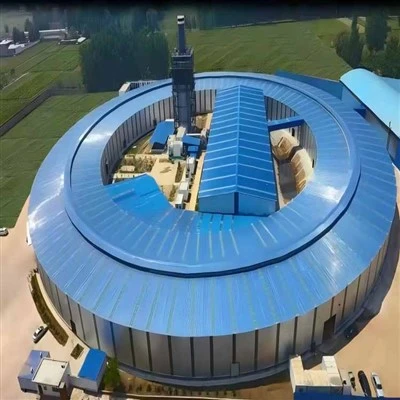
As a provider of Electric Industrial Kilns, I understand the critical importance of ensuring a stable power supply for these high – energy equipment. The stability of the power supply directly influences the performance, lifespan, and final product quality of the kiln. In this blog, I will share some key strategies and considerations to ensure a stable power supply for an electric industrial kiln. Electric Industrial Kiln
Understanding the Power Requirements of Electric Industrial Kilns
Before delving into how to ensure a stable power supply, it is essential to understand the power requirements of electric industrial kilns. These kilns typically demand a large amount of electrical power to reach and maintain high temperatures. The power consumption can vary significantly depending on the size, type, and operating temperature of the kiln.
For example, small – scale electric industrial kilns used for laboratory or small – batch production may require a few kilowatts of power, while large – scale industrial kilns used in ceramic, glass, or metal processing can consume hundreds or even thousands of kilowatts. Additionally, the power demand may not be constant throughout the operation. During the heating – up phase, the kiln usually requires a higher power input to rapidly increase the temperature, while the power consumption may decrease during the holding or cooling phases.
Selecting the Right Power Source
The first step in ensuring a stable power supply is to select an appropriate power source. There are several options available, each with its own advantages and limitations.
Grid Power
Grid power is the most common power source for electric industrial kilns. It offers a reliable and continuous supply of electricity, especially in areas with a well – developed power infrastructure. However, grid power can be subject to voltage fluctuations, power outages, and frequency variations, which can affect the performance of the kiln.
To mitigate these issues, it is advisable to install a voltage stabilizer and a power conditioner. A voltage stabilizer regulates the input voltage to a consistent level, protecting the kiln from over – voltage and under – voltage situations. A power conditioner, on the other hand, improves the quality of the electrical power by reducing harmonics, noise, and frequency variations.
Backup Power Generators
In addition to grid power, having a backup power generator is highly recommended. A backup power generator can provide electricity during power outages, ensuring that the kiln can continue to operate smoothly or at least perform a safe shutdown. Diesel generators are a popular choice due to their high power output and reliability. However, they require regular maintenance and fuel storage.
When selecting a backup power generator, it is important to choose one with sufficient capacity to meet the power requirements of the kiln. The generator should also be able to start up quickly and provide a stable power output.
Renewable Energy Sources
With the increasing awareness of environmental protection and the development of renewable energy technologies, more and more companies are considering using renewable energy sources, such as solar and wind power, to supply electricity to their electric industrial kilns. Renewable energy sources offer the advantages of clean, sustainable, and potentially cost – effective electricity generation.
However, renewable energy sources are intermittent and depend on weather conditions. To ensure a stable power supply, energy storage systems, such as batteries, can be used to store excess energy generated during periods of high production and release it during periods of low production or power outages.
Electrical Infrastructure Design and Installation
Proper electrical infrastructure design and installation are crucial for a stable power supply. A well – designed electrical system can minimize power losses, reduce the risk of electrical faults, and ensure the safe and efficient operation of the kiln.
Sizing of Wiring and Electrical Components
The wiring and electrical components, such as circuit breakers, fuses, and contactors, should be sized appropriately to handle the high current and power requirements of the kiln. Undersized wiring can lead to overheating, voltage drops, and even electrical fires, while oversized wiring can be costly and inefficient.
It is recommended to consult with a professional electrical engineer to determine the correct wire size and specification based on the kiln’s power rating, operating environment, and other factors.
Grounding System
A proper grounding system is essential for electrical safety and stability. The grounding system provides a low – resistance path for electrical current to flow in the event of a fault, protecting personnel and equipment from electrical shock. It also helps to reduce electrical noise and interference.
The grounding system should be designed and installed in accordance with relevant electrical codes and standards. Regular inspections and maintenance should be carried out to ensure the integrity of the grounding system.
Electrical Protection Devices
Electrical protection devices, such as over – current protection, over – voltage protection, and short – circuit protection, should be installed to safeguard the kiln and the electrical system from damage. These devices can detect abnormal electrical conditions and automatically disconnect the power supply to prevent further damage.
Monitoring and Maintenance
Regular monitoring and maintenance are essential to ensure the long – term stability and reliability of the power supply. By monitoring the power parameters, such as voltage, current, and power factor, any potential issues can be detected early and addressed promptly.
Power Monitoring Systems
Power monitoring systems can be installed to continuously monitor the electrical parameters of the kiln and the power supply. These systems can provide real – time data and alerts, allowing operators to take appropriate actions in case of abnormal conditions.
The data collected by the power monitoring system can also be used for energy management and optimization. By analyzing the power consumption patterns, operators can identify opportunities to reduce energy consumption and improve the efficiency of the kiln.
Preventive Maintenance
Preventive maintenance is crucial to keep the electrical equipment and the kiln in good working condition. Regular inspections, cleaning, and lubrication of electrical components can help to prevent electrical faults and extend the lifespan of the equipment.
It is recommended to develop a preventive maintenance plan and follow it strictly. The plan should include scheduled maintenance tasks, such as checking the wiring connections, testing the electrical protection devices, and replacing worn – out components.
Training and Education
Proper training and education of operators and maintenance personnel are essential for ensuring a stable power supply. Operators should be trained to understand the power requirements of the kiln, operate the equipment safely and efficiently, and recognize and respond to abnormal electrical conditions.
Maintenance personnel should receive specialized training in electrical system maintenance and repair. They should be familiar with the electrical schematics and diagrams of the kiln and the power supply system, and be able to perform troubleshooting and repair tasks effectively.
In conclusion, ensuring a stable power supply for an electric industrial kiln requires a comprehensive approach that includes understanding the power requirements, selecting the right power source, proper electrical infrastructure design and installation, monitoring and maintenance, and training and education. By implementing these strategies, you can ensure the reliable and efficient operation of your electric industrial kiln, improve the quality of your products, and reduce the risk of production downtime.
Ceramic Tunnel Kiln If you are in the market for an Electric Industrial Kiln and want to learn more about how to ensure a stable power supply for your specific application, we are here to help. Our team of experts has extensive experience in providing high – quality electric industrial kilns and can offer customized solutions to meet your needs. Contact us today to start a discussion about your requirements and explore the best options for your business.
References
- Electrical Installation Guide for Industrial Equipment, National Electrical Manufacturers Association (NEMA)
- Power Quality and Reliability Handbook, IEEE Power and Energy Society
- Renewable Energy Systems: Design and Analysis with Induction Generators, John Wiley & Sons
Henan Yaxin Kiln Co., Ltd.
Henan Yaxin Kiln Co., Ltd. is one of the most professional electric industrial kiln manufacturers and suppliers in China. With abundant experience, we warmly welcome you to buy high quality electric industrial kiln with the latest design from our factory. Good service and punctual delivery are available.
Address: Jixian Industrial Zone, Shangqiu City, Henan Province
E-mail: 1543563178@qq.com
WebSite: https://www.hnyxkiln.com/
